
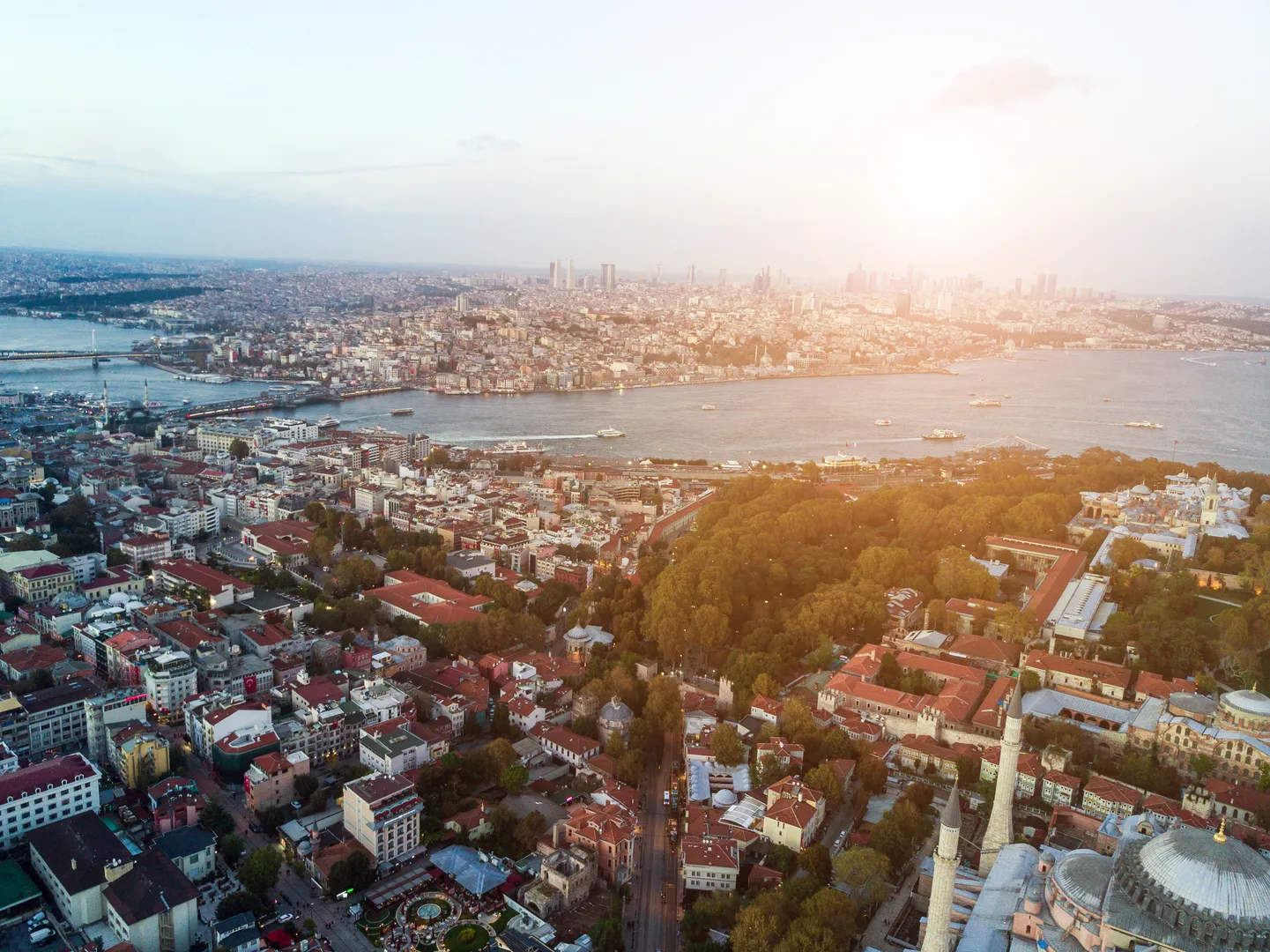
Why Istanbul Is Emerging as an Education Destination
Istanbul has quietly become one of the most compelling cities in the world for international school education. A combination of factors — favourable exchange rates that make fees remarkably affordable in dollar or euro terms, a strategic location bridging Europe and Asia, a rich cultural environment, and a rapidly expanding international school sector — has put the city on the radar of globally mobile families who might previously have considered only Dubai, Singapore, or London.
The city's expat community has grown significantly over the past five years, driven by remote workers, entrepreneurs drawn to Turkey's digital nomad visa, and multinational companies establishing regional offices. This population growth has fuelled demand for English-medium international education, and schools have expanded to meet it.
The School Landscape: What's Available
Istanbul offers a diverse mix of international schools spanning multiple curricula. The city's schools can be broadly categorised into three tiers:
Premium International Schools
At the top end, schools like the British International School Istanbul, Istanbul International Community School, and several IB World Schools offer curricula and facilities comparable to top-tier schools in Dubai or London. Fees range from TRY 300,000 to TRY 800,000 per year (approximately USD 8,000–22,000 at current exchange rates), which is a fraction of what equivalent schools charge elsewhere.
Mid-Range International Schools
A growing number of schools serve the expanding middle market with solid British, American, or IB curricula at fees between TRY 100,000 and TRY 300,000 per year (USD 2,700–8,000). These schools may have smaller campuses or fewer extracurricular offerings than premium institutions, but academic standards are strong.
Bilingual and Turkish-International Schools
Several schools offer a hybrid approach, blending the Turkish national curriculum with international elements (usually IB or Cambridge). These are particularly popular with mixed-nationality families or those planning to stay in Turkey long-term. Fees start from TRY 50,000 per year.
Fee Ranges: The Exchange Rate Advantage
Istanbul's biggest selling point for international education is the fee-to-quality ratio. The Turkish lira has depreciated significantly against major currencies since 2018, making Istanbul schools extraordinarily affordable for families earning in USD, EUR, or GBP.
| School Tier | Annual Fee (TRY) | Annual Fee (USD approx.) | Curricula |
|---|---|---|---|
| Premium | 300,000–800,000 | 8,000–22,000 | IB, British, American |
| Mid-Range | 100,000–300,000 | 2,700–8,000 | British, IB, American |
| Bilingual/Hybrid | 50,000–150,000 | 1,400–4,000 | Turkish-IB, Turkish-Cambridge |
Important note: some premium schools price fees in USD or EUR to hedge against lira volatility. Always confirm the fee currency when comparing schools. Check the full Istanbul schools directory for current fee data.
Popular Areas for International School Families
Istanbul is a vast city spanning two continents, and choosing the right neighbourhood is as important as choosing the right school. The majority of international schools are concentrated in a few key areas:
Sarıyer (European Side — North)
Sarıyer is Istanbul's premier neighbourhood for international school families. Nestled along the Bosphorus with leafy streets and village-like communities (Tarabya, İstinye, Maslak), it hosts several of the city's top international schools. The area offers a high quality of life with waterfront dining, parks, and a strong expat community. Housing ranges from TRY 30,000–80,000/month for family apartments.
Beşiktaş (European Side — Central)
Beşiktaş offers a more urban, vibrant lifestyle with excellent connectivity across Istanbul. Several international schools are located here or nearby, and the neighbourhood's central position means short commutes to schools in both Sarıyer and Kadıköy (via bridges or ferries). Popular sub-areas include Etiler, Levent, and Bebek, all favoured by expat families.
Kadıköy (Asian Side)
For families who prefer the Asian side — often cited as more relaxed and authentic — Kadıköy offers a growing number of international schools and a thriving cultural scene. Areas like Moda, Fenerbahçe, and Caddebostan are particularly popular with international families. Housing is generally 20–30% cheaper than the European side, and the quality of life is high.
Bakırköy / Bahçeşehir (European Side — West)
These newer development areas on the western European side offer modern housing complexes with amenities, several international schools, and lower costs than central neighbourhoods. The trade-off is a longer commute to central Istanbul, though the metro expansion has improved connectivity significantly.
Curricula Available in Istanbul
Istanbul's international schools offer a comprehensive range of curricula:
- International Baccalaureate (IB): The most popular international framework in Istanbul, available from PYP through to the Diploma Programme. Several schools are authorised for all three IB programmes. Explore IB schools globally on SchoolVita
- British Curriculum: IGCSE and A-Level programmes are offered at multiple schools, popular with families from the UK, Commonwealth countries, or those targeting UK universities
- American Curriculum: AP-track schools serve the American and Canadian expat communities, with US-accredited diplomas
- German Curriculum: The Deutsche Schule Istanbul offers the Abitur for German-speaking families
- French Curriculum: Lycée Charles de Gaulle provides the French Baccalauréat programme
- Turkish National Curriculum: Some international schools integrate Turkish Ministry of National Education (MEB) requirements alongside international frameworks
Turkish Regulations for International Schools
Turkey's Ministry of National Education (MEB) oversees all schools in the country, including international institutions. Key regulatory points for parents to understand:
- Turkish language instruction: International schools are required to offer Turkish language classes. For non-Turkish students, this is typically taught as a foreign language rather than at native-speaker level
- Diploma recognition: IB Diplomas, British A-Levels, and American high school diplomas are recognised by Turkish universities through an equivalency process (denklik). If your child might attend a Turkish university, confirm that the school's qualifications are recognised
- Student permits: International school students on tourist or residence visas need to ensure their visa status permits school enrolment. Most schools assist with this process
- School inspections: MEB conducts periodic inspections, though the rigour varies compared to frameworks like KHDA in Dubai or Ofsted in the UK. Parents should look for additional accreditations (CIS, NEASC, or IBO authorisation) as quality markers
The Growing Expat Community
Istanbul's expat community has diversified significantly. According to InterNations, the city's international residents now include tech professionals, creative industry workers, digital nomads, and retirees alongside the traditional diplomatic and corporate expat population. This diversity enriches the school community: your child's classmates may come from 30+ nationalities, providing genuine international exposure.
Expat-friendly resources in Istanbul include active parent networks, international social clubs, and English-language services (healthcare, banking, legal) that make daily life manageable even without fluent Turkish.
Bilingual Opportunities
One of Istanbul's unique advantages is the potential for genuine bilingual education. Turkish is increasingly valued in business contexts, particularly for companies operating across Central Asia, the Middle East, and the Balkans. Several schools offer Turkish-English bilingual programmes that give children functional fluency in both languages — an asset that schools in Dubai or Singapore cannot replicate. For families planning a multi-year stay in Turkey, investing in Turkish language skills alongside an international curriculum can give children a distinctive edge.
Start your school search on the SchoolVita global directory and use our filters to compare Istanbul schools by curriculum, area, fees, and ratings.
Frequently Asked Questions
Istanbul has approximately 35–40 schools that can be classified as international, offering curricula such as IB, British (IGCSE/A-Level), American (AP), French, and German. This number is growing as demand from the expanding expat community drives new school openings. Additionally, around 20 Turkish private schools offer bilingual programmes with significant English-medium instruction, bringing the total of English-accessible options to roughly 55–60.
It varies by school. Most mid-range and bilingual schools price fees in Turkish lira, which benefits families earning in foreign currencies due to favourable exchange rates. However, several premium international schools — particularly those with expatriate-heavy student bodies — quote fees in USD or EUR to protect against lira volatility. Always confirm the fee currency before budgeting, as a school quoting USD 15,000 will cost the same regardless of exchange rate fluctuations, while a school quoting TRY 500,000 could become cheaper or more expensive depending on the lira's movement.
The European side has the majority of international schools, concentrated in Sarıyer (Tarabya, İstinye, Maslak) and Beşiktaş (Etiler, Levent). Approximately 70% of Istanbul's international schools are on the European side. However, the Asian side (Kadıköy, Üsküdar) has several excellent options and offers a quieter, more affordable lifestyle. The key consideration is avoiding cross-Bosphorus commutes — Istanbul's bridge and tunnel traffic is notorious. Choose schools and housing on the same side of the city.
Yes. The Turkish Ministry of National Education (MEB) requires all schools operating in Turkey, including international schools, to include Turkish language instruction in their programmes. For non-Turkish-speaking students, this is typically delivered as a foreign language course (Turkish as a Second Language) with adapted curricula for beginners. Most international schools offer 2–5 hours of Turkish per week. Many expat families view this as a positive benefit, as Turkish language skills are valuable for daily life and provide a unique addition to their child's linguistic repertoire.
Cities in This Article
Schools Mentioned
Explore Schools
Find and compare the best schools worldwide by type or curriculum.
Free · No obligation
Looking at schools in Istanbul?
Tick the ones you'd like fees and admissions details from. We send your enquiry straight to their admissions teams.
Related Articles

Is an Expensive School Worth It? What Research Says About Fees vs Outcomes
Parents often assume that higher school fees guarantee better results. But what does the research actually say? We examine the relationship between tuition costs, academic outcomes, university placement, and whether a "good enough" school might be the smarter choice.

IGCSE vs GCSE: What International School Parents Need to Know
A comprehensive comparison of IGCSE and GCSE qualifications — covering exam boards, grading systems, subject flexibility, university recognition, and practical guidance for internationally mobile families choosing between the two.

Summer School Programmes 2026: International Schools Offering Holiday Courses
A comprehensive guide to summer programmes at international schools worldwide. Covers academic enrichment, sports camps, arts, STEM, and language immersion for ages 3-18 across Dubai, London, Singapore, New York, and Paris.

How to Choose Between IB and A-Levels in 2026: A Parent's Decision Guide
IB Diploma or A-Levels? This data-driven guide compares workload, university acceptance rates, subject flexibility, costs, and more to help parents choose the right pre-university programme for their child in 2026.