In this article (7 sections)
Why Understanding International School Fees Matters
For expat families relocating abroad, international school fees can consume a substantial share of annual income. Yet the sticker price rarely captures the full picture: registration deposits, uniforms, transport, lunch programmes, exam fees, and extracurriculars can add 20–40% on top of headline tuition.
This guide compiles realistic fee data across 16 major expat destinations. Whether you are planning a move or benchmarking your current school, this resource will give you the numbers, context, and tools you need.
Fee Comparison: All 16 Cities
| City | Annual Fee Range | Currency | Avg. Premium School |
|---|---|---|---|
| Dubai | 30,000 – 110,000 | AED | AED 75,000 |
| London | 6,000 – 42,000 | GBP | £28,000 |
| New York | 30,000 – 60,000 | USD | $50,000 |
| Istanbul | 150,000 – 800,000 | TRY | TRY 450,000 |
| Miami | 15,000 – 45,000 | USD | $35,000 |
| Singapore | 20,000 – 50,000 | SGD | SGD 38,000 |
| Paris | 8,000 – 35,000 | EUR | €22,000 |
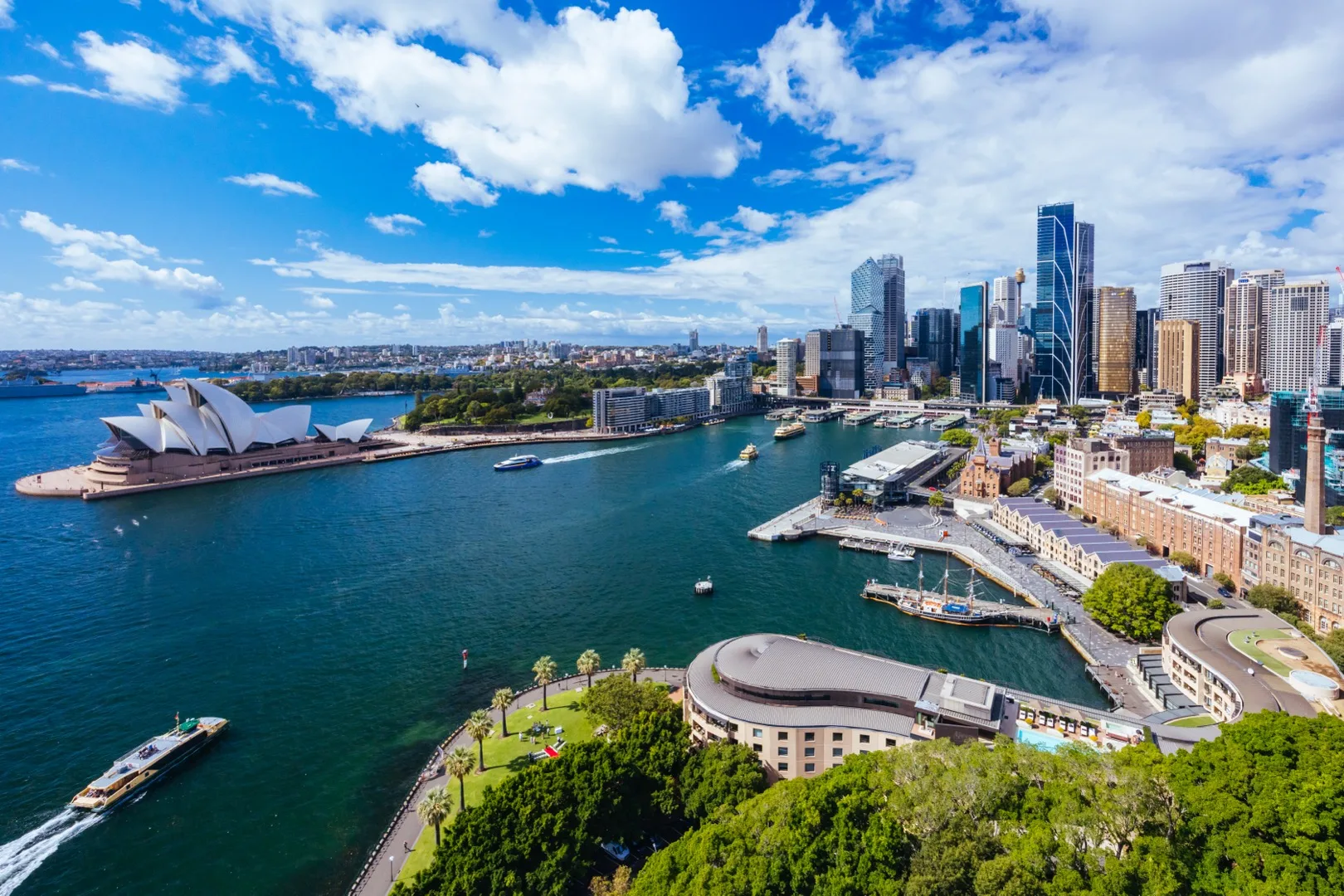
| Sydney | 15,000 – 45,000 | AUD | AUD 32,000 |
| Toronto | 15,000 – 40,000 | CAD | CAD 28,000 |
| Berlin | 5,000 – 25,000 | EUR | €15,000 |
| Hong Kong | 100,000 – 250,000 | HKD | HKD 180,000 |
| Kuala Lumpur | 20,000 – 90,000 | MYR | MYR 55,000 |
| Abu Dhabi | 25,000 – 100,000 | AED | AED 65,000 |
| Bangkok | 200,000 – 800,000 | THB | THB 500,000 |
| Amsterdam | 8,000 – 28,000 | EUR | €18,000 |
| Doha | 25,000 – 75,000 | QAR | QAR 55,000 |
New York and Hong Kong consistently rank most expensive. Berlin and Amsterdam offer the most accessible entry points. Use our Tuition Calculator to estimate your total annual costs.
The Hidden Costs of International Schooling
💡 Hidden Cost Alert: Registration & Enrolment
Most schools charge a one-time, non-refundable registration fee ($200–$1,500). Many also require a capital levy — in Hong Kong and Singapore, debentures can reach HKD 150,000 or SGD 30,000.
💡 Hidden Cost Alert: Transport & Uniforms
School bus: $1,500–$4,000/year. Uniforms: $300–$800 annually. Lunch: $1,000–$2,500/year. Tech levy: $200–$600. Total hidden extras: $3,000–$7,000 before any clubs or sports.
💡 Hidden Cost Alert: Extracurriculars & Exams
Individual music lessons ($500–$2,000/year), sports teams ($400–$1,500/year), IB Diploma exam fees ($800–$1,200). Budget an additional $1,000–$3,000 in exam years.
What Drives Fee Differences?
Real estate: Land in central London or Manhattan drives fees up. Schools with government land grants (common in the Middle East) have structural cost advantages.
Teacher packages: Expatriate teachers command relocation, housing, and flights. Cities with lower cost of living can attract quality teachers at lower compensation.
Curriculum & accreditation: IB schools typically charge 15–25% more than unaccredited peers. Full CIS or NEASC accreditation carries overhead.
Regulation: Dubai's KHDA caps annual fee increases based on inspection rating. London and New York face minimal regulation.
Currency volatility: Turkish lira depreciation makes Istanbul's TRY fees affordable in USD/EUR terms for foreign families.
Financial Aid & Scholarships
Merit scholarships covering 10–50% of tuition exist at some established schools. Need-based bursaries are rare but worth asking about directly. The most common fee relief comes from employer education allowances — negotiate this as a specific line item in your relocation package.
Sibling discounts of 5–15% are common. Annual upfront payment sometimes attracts a 1–3% discount. For more guidance, see our complete school selection guide and best cities for education.
Explore Schools by City
Find Schools Within Your Budget
Tell us your budget and preferences — we'll match you with the right schools.
Find schoolsFrequently Asked Questions
In most countries, private school fees are not tax deductible. The US allows 529 plan withdrawals up to $10,000/year for K-12. Germany allows deduction of 30% of private school fees up to a cap. Always consult a tax adviser familiar with both your home and resident country.
The vast majority do not include meals or transport in headline fees. These are billed separately. Always request a full schedule of fees including all optional and semi-mandatory charges when you receive an offer.
Berlin offers the lowest entry-level fees (from €5,000/year), followed by Amsterdam and Paris. In value-for-money terms, Kuala Lumpur and Bangkok offer excellent schooling at 40-60% less than Singapore equivalents.
Budget an additional 25–35% on top of headline tuition. Main extras: transport ($1,500–$4,000), uniforms ($400–$1,000), lunch ($1,000–$2,500), tech levy ($200–$600), activities ($500–$3,000), and exam fees in senior years ($800–$1,500).
Yes, virtually all offer at least termly billing. Many offer monthly options. Annual upfront payment sometimes attracts a 1–3% discount. Be cautious with third-party fee finance — effective rates can be 8–15%.
Cities in this article
Free for parents
Looking for a school?
Tick the ones you'd like fees and admissions details from. We send your enquiry straight to their admissions teams.
Written by the SchoolVita team from schools' published information. Fees are indicative annual tuition; check the latest with each school.
Keep reading
-
Is an Expensive School Worth It? What Research Says About Fees vs Outcomes
Parents often assume that higher school fees guarantee better results. But what does the research actually say? We examine the relationship between tuition costs, academic outcomes, university placement, and whether a "good enough" school might be the smarter choice.

-
IGCSE vs GCSE: What International School Parents Need to Know
A comprehensive comparison of IGCSE and GCSE qualifications — covering exam boards, grading systems, subject flexibility, university recognition, and practical guidance for internationally mobile families choosing between the two.

-
Summer School Programmes 2027: International Schools Offering Holiday Courses
A comprehensive guide to summer programmes at international schools worldwide. Covers academic enrichment, sports camps, arts, STEM, and language immersion for ages 3-18 across Dubai, London, Singapore, New York, and Paris.

-
Best Schools in Sydney for Expat Families: 2026 Neighbourhood Guide
A neighbourhood-by-neighbourhood guide to schools in Sydney for expat families. Compare 16 schools across Eastern Suburbs, North Shore, Inner West, and Northern Beaches — with fees, curriculum types, and practical relocation tips.