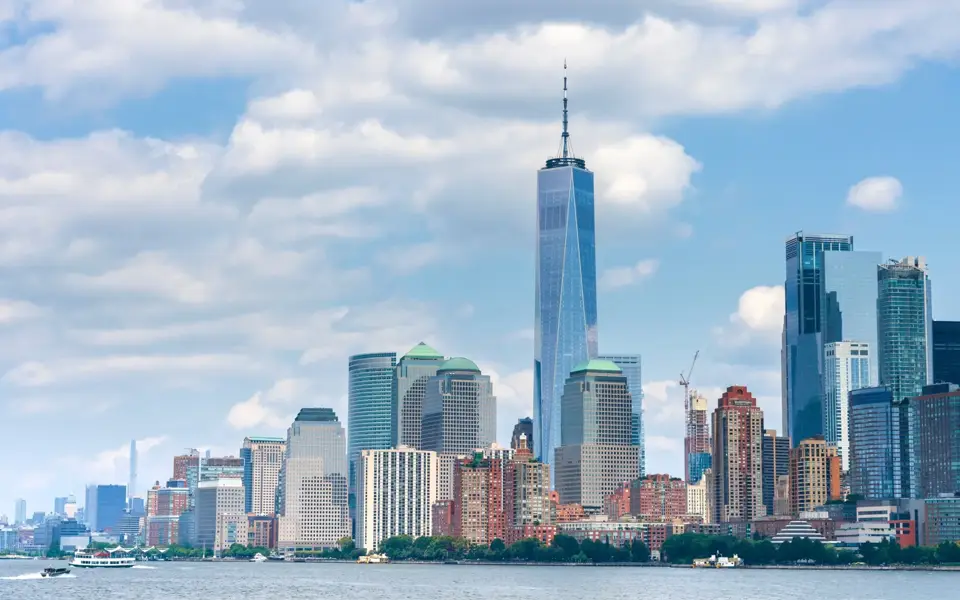
The Upper East Side is synonymous with elite education in New York City. Stretching from 59th Street to 96th Street along Manhattan's eastern flank, this storied neighborhood is home to the highest concentration of prestigious independent schools in the United States, alongside world-class museums, manicured parks, and a refined family lifestyle that has attracted generations of New York's most education-focused parents.
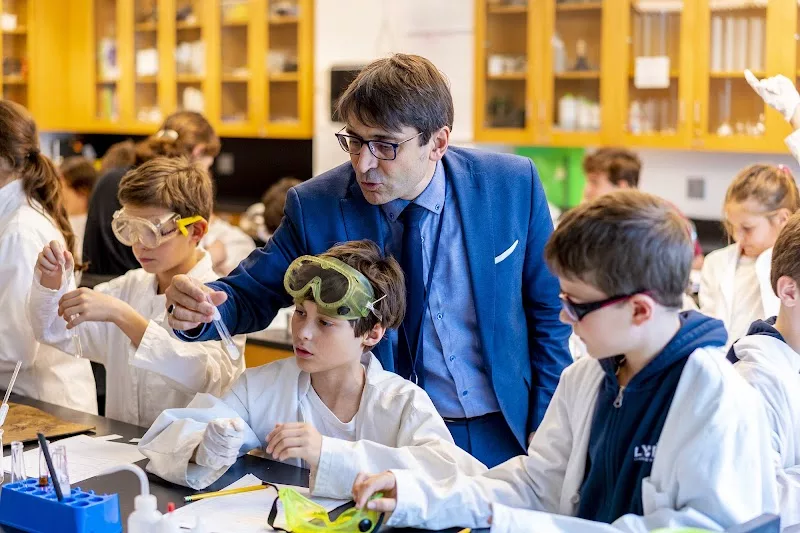
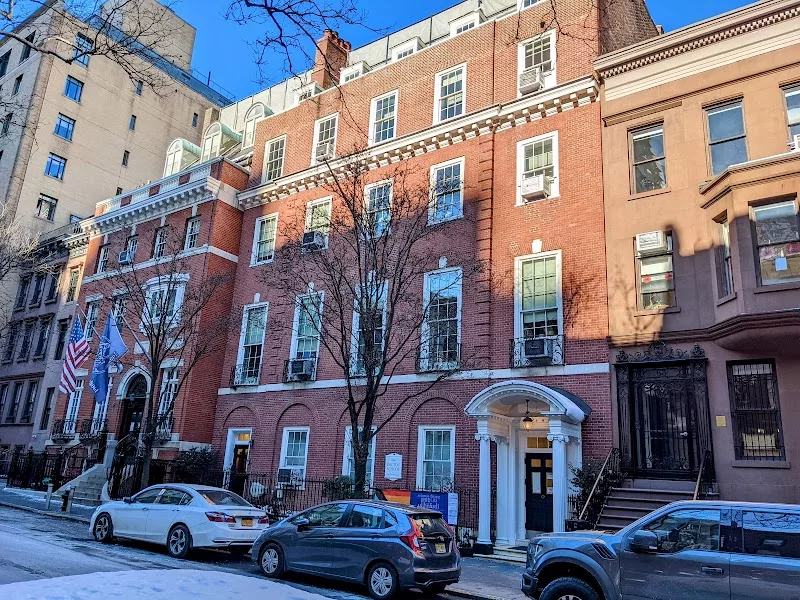
The schools on the Upper East Side read like a who's who of American private education. The Dalton School, Brearley, Chapin, Spence, Nightingale-Bamford, and Hewitt are all located within these blocks, each with a distinctive educational philosophy but shared commitment to academic rigor and university preparation. At the elementary level, Brick Church School and the Allen-Stevenson School are coveted starting points. Admissions to these institutions is intensely competitive, with many schools accepting fewer than 10 percent of applicants. However, the Upper East Side also has strong public school options that often go overlooked. PS 6 Lillie D. Blake, PS 77 Lower Lab, and PS 290 Manhattan New School are among the city's top-performing public elementary schools, offering free education that rivals private alternatives in many respects. Hunter College Elementary School, a gifted and talented public school on the UES, is among the most selective schools of any kind in New York City.
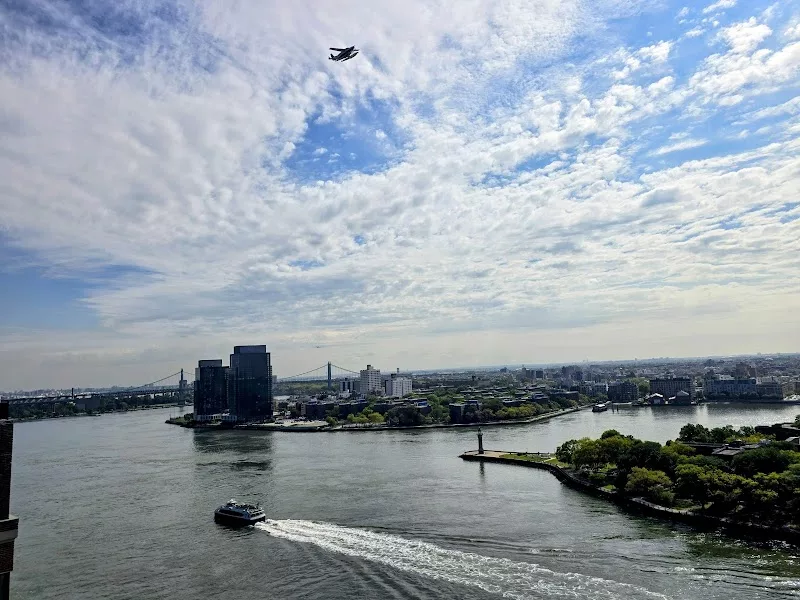
The cultural and recreational amenities available to Upper East Side families are extraordinary. Museum Mile, running along Fifth Avenue from 82nd to 105th Street, includes the Metropolitan Museum of Art, the Guggenheim, the Cooper Hewitt, El Museo del Barrio, and the Museum of the City of New York. Central Park's eastern edge borders the neighborhood, providing playgrounds, sports fields, the Central Park Conservancy's nature programs, and the beloved Turtle Pond and Belvedere Castle. Carl Schurz Park along the East River offers quieter green space with river views and a popular dog run. The 92nd Street Y is a neighborhood institution offering children's programs in music, art, swimming, and academic enrichment. Independent bookstores, family-friendly restaurants, and Madison Avenue's retail corridor round out a lifestyle that prioritizes culture and education.
Transport on the Upper East Side is served by the 4, 5, and 6 trains along Lexington Avenue, with the Second Avenue Subway (Q train) having dramatically improved east-side connectivity since its 2017 opening. Crosstown buses along 79th, 86th, and 96th streets connect to the Upper West Side and Central Park West. The M15 bus runs along First and Second Avenues providing north-south service. While the Upper East Side was historically considered less convenient than the west side for subway access, the Q train has effectively closed that gap, making commutes to midtown and downtown straightforward.
The cost of living on the Upper East Side is premium, as expected for one of Manhattan's most prestigious neighborhoods. A two-bedroom apartment typically rents for $4,000 to $6,500 per month, with co-op and condo purchase prices ranging from $1.5 million to well over $5 million for family-sized units. Doorman buildings with three or more bedrooms, the standard for families in the area, command significant premiums. Independent school tuition on the UES ranges from $55,000 to $63,000 per year at the K-12 level, making the total cost of raising a family here among the highest in the world. Financial aid is available at most schools, and the public school alternatives offer genuinely excellent education at no cost.
Families choose the Upper East Side because it offers an unmatched ecosystem for children's education and development. The density of excellent schools means parents can find precisely the right fit for each child's personality and learning style. The neighborhood is exceptionally safe, clean, and well-maintained, with a strong sense of community among families who have invested deeply in the area. Children on the Upper East Side grow up surrounded by art, culture, and intellectual aspiration, in a neighborhood where education is not just valued but woven into the fabric of daily life. For families who prioritize academic excellence and cultural enrichment above all else, the Upper East Side remains the gold standard in New York City schooling.