
Schools in Miami Beach
Miami, United States
Miami Beach is a barrier island city connected to mainland Miami by a series of causeways, renowned worldwide for its Art Deco architecture, pristine Atlantic shoreline, and vibrant multicultural comm...
0
Schools
0
School Types
0
Curricula
—
Tuition Range
About Miami Beach
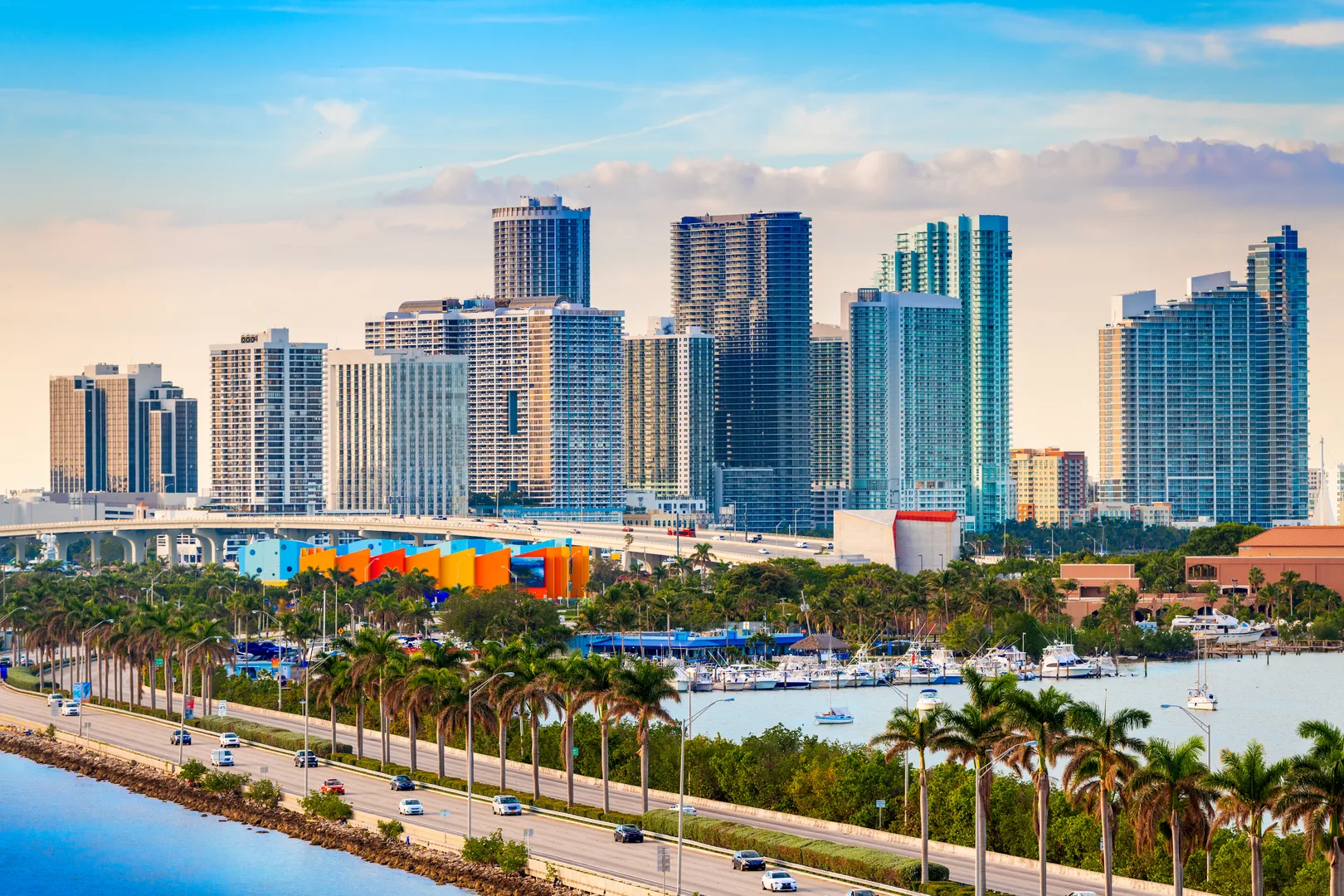
Miami Beach is a barrier island city connected to mainland Miami by a series of causeways, renowned worldwide for its Art Deco architecture, pristine Atlantic shoreline, and vibrant multicultural community. While often associated with tourism and nightlife, Miami Beach has a thriving residential core — particularly in the Mid-Beach, North Beach, and Surfside areas — where families from dozens of nationalities have built a genuinely international community. The demographic mix includes Latin American expatriates, European transplants, Israeli families, and established American households, creating a uniquely global school environment.
The education landscape in Miami Beach reflects this international character. Miami Beach is served by Miami-Dade County Public Schools, which include several well-rated elementary and middle schools. Notable public options include North Beach Elementary and Nautilus Middle School, both of which benefit from engaged parent communities and magnet programs. For families seeking private education, schools in Miami Beach offer curricula ranging from classical American prep to bilingual Spanish-English immersion and Montessori approaches. Private school tuition on the island typically ranges from $15,000 to $35,000 annually, with elite preparatory schools on the mainland nearby commanding higher fees. The proximity to mainland private schools in Coconut Grove and Coral Gables — a 15-to-25-minute drive — expands the options considerably.
Family amenities on Miami Beach are exceptional. The beach itself provides year-round outdoor recreation, while Flamingo Park offers a public pool, tennis courts, baseball diamonds, and a playground — all heavily used by local families. The Miami Beach Regional Library is a popular after-school destination, and the Bass Museum and Miami City Ballet bring arts and culture into the community fabric. North Shore Open Space Park and Indian Creek waterway provide quieter green spaces away from the tourist zones. Youth sports leagues in soccer, swimming, tennis, and sailing operate throughout the year, taking advantage of the island's subtropical climate.
Transport from Miami Beach to mainland schools and workplaces follows the MacArthur, Julia Tuttle, and John F. Kennedy causeways. Morning commute times to Brickell or Downtown Miami average 20 to 35 minutes depending on traffic, though causeway congestion during peak hours is a well-known challenge. Miami-Dade Transit operates bus routes connecting the island to the mainland Metrorail system, and many schools provide private shuttle services. The upcoming expansion of transit options and continued development of cycling infrastructure along the causeways are gradually improving connectivity for Beach families.
Cost of living in Miami Beach sits at the upper end of the Miami metro scale. Family-sized two- and three-bedroom apartments rent from approximately $3,500 to $6,500 per month in Mid-Beach and North Beach, while single-family homes in Surfside start around $1.2 million to purchase. These premiums reflect waterfront access, the island's safety record, and the lifestyle quality that few urban areas can match. Families choose Miami Beach for schooling because it offers children a genuinely multicultural upbringing, daily access to nature and outdoor activity, and a selection of public and private schools that cater to an international parent body. For globally minded families, schools in Miami Beach provide both academic quality and a worldview that prepares students for an interconnected future.
All Schools in Miami Beach
No schools listed in this area yet.
Check back soon or explore other areas in Miami.
← Back to Miami


