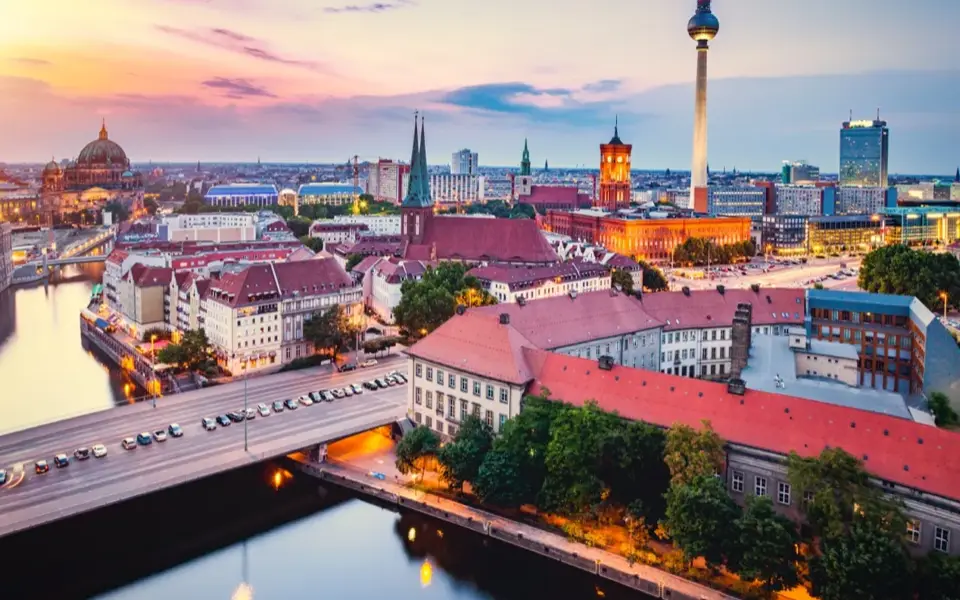
Prenzlauer Berg has earned its reputation as Berlin's quintessential family neighborhood. Located in the northeast of the city center, this former East Berlin district has undergone dramatic gentrification since reunification, transforming from a countercultural enclave into a polished residential area filled with young families, organic cafes, and beautifully restored nineteenth-century apartment buildings. Its wide, tree-lined streets and low-traffic residential blocks make it one of the most pleasant neighborhoods in Berlin for raising children.
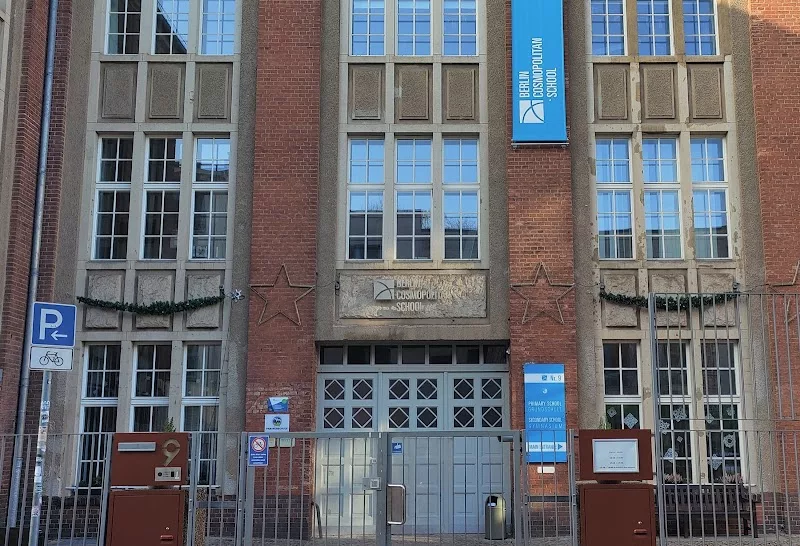
The education scene in Prenzlauer Berg is shaped by progressive values and high parental engagement. The district is home to a concentration of innovative state schools that emphasize project-based learning, inclusive education, and creative development alongside traditional academics. Several bilingual state primary schools offer German-English and German-Spanish programs at no cost. Alternative school models, including Montessori and Waldorf institutions, are well-represented. For secondary education, the district's Gymnasien maintain strong academic standards, and the nearby Pankow district provides additional options. Private bilingual kindergartens and forest Kitas are popular among families who prioritize outdoor and experiential early learning.
Prenzlauer Berg is exceptionally well-equipped for family life. The Mauerpark, famous for its Sunday flea market and outdoor karaoke, also features expansive playgrounds, a climbing wall, and open fields. Kollwitzplatz hosts a popular organic farmers' market and is surrounded by family-friendly restaurants and ice cream shops. The Ernst-Thalmann-Park offers a large public swimming pool, sports facilities, and shaded green spaces. The Zeiss-Grossplanetarium provides science programming for children of all ages. Public libraries in the district run extensive children's programs in both German and English, reflecting the neighborhood's international flavor.
Public transit connections are reliable and comprehensive. The Schonhauser Allee station serves as the district's primary transit hub, with U2 subway, S-Bahn ring, and tram connections. The M10 tram line runs along the district's western edge, connecting to Friedrichshain and Mitte. Cycling is deeply embedded in Prenzlauer Berg culture, with dedicated bike lanes on most major streets and ample secure parking at schools and public facilities. Many families manage daily life entirely car-free, a practical choice given the district's compact layout and flat terrain.
Cost of living in Prenzlauer Berg has climbed steadily as the neighborhood's popularity has grown, but it remains more affordable than comparable family districts in Western European capitals. Rental prices for family apartments typically range from 12 to 18 euros per square meter, though competition for larger flats can be intense. Purchase prices have moderated after a rapid rise, and the neighborhood offers good long-term investment prospects. Groceries and daily necessities are affordable, with Bio Company and weekly markets providing organic options at fair prices.
Families choose Prenzlauer Berg for its unmatched combination of child-friendly infrastructure, progressive schooling, and vibrant community life. The district consistently records one of the highest birth rates in Germany, which means schools, pediatricians, and family services are well-resourced and attuned to parental needs. For families who value creativity, community, and a forward-thinking approach to education, Prenzlauer Berg is Berlin's standout choice.