
Singapore vs Hong Kong: Which City Is Better for International Schools?
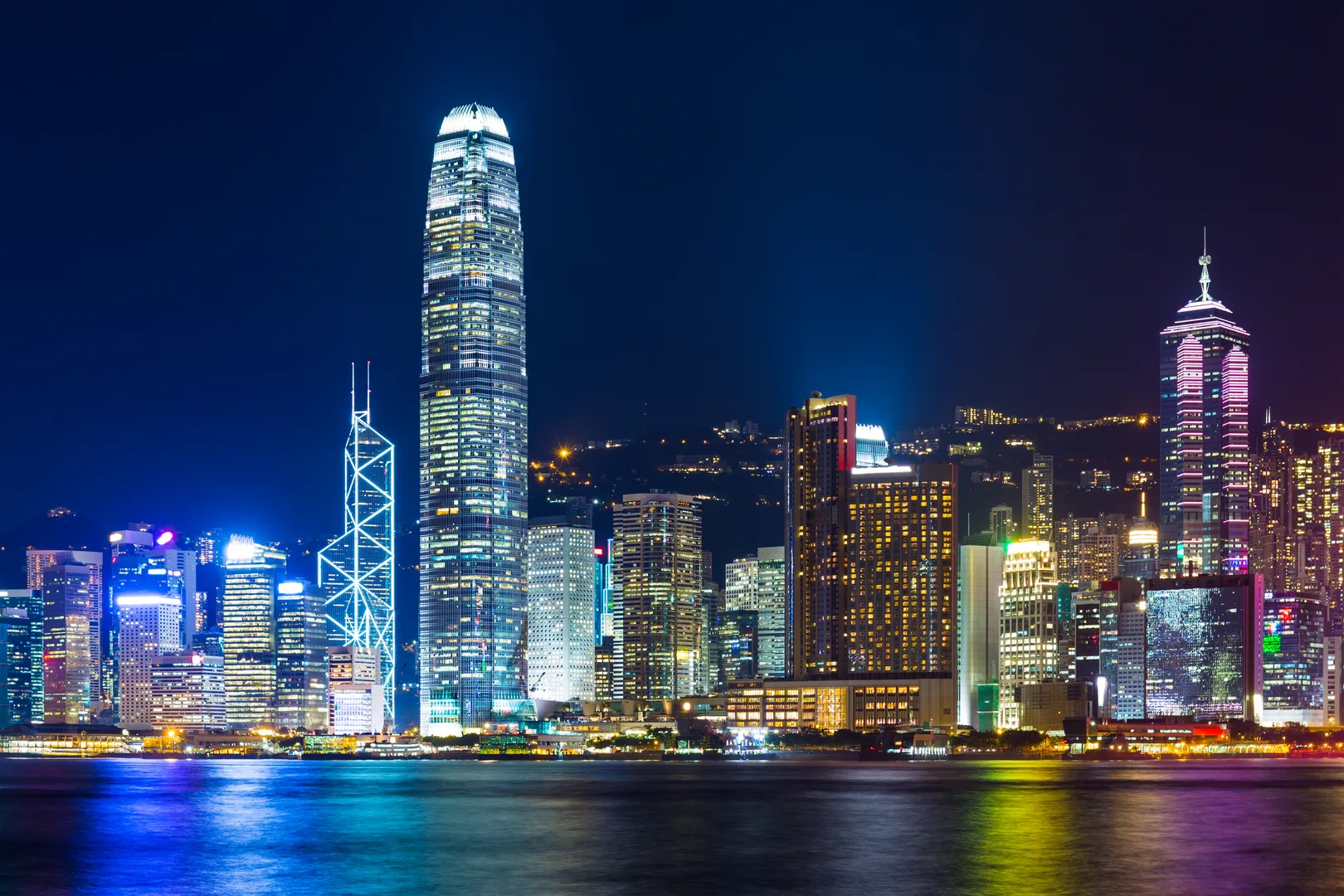
The Expat Education Dilemma: Singapore or Hong Kong?
For families relocating to Asia, the choice between Singapore and Hong Kong often comes down to two cities that look similar on paper but feel very different in practice. Both are global financial centres with large expatriate populations, world-class infrastructure, and deep international school markets. But the details — school fees, waitlist culture, curriculum availability, regulatory oversight, and daily quality of life — diverge significantly.
This side-by-side comparison draws on data from both cities' school directories on SchoolVita, regulatory filings, and parent feedback to help you make an informed decision about which city best serves your family's education needs.
School Count and Market Size
Singapore has the larger international school market by a significant margin, with over 60 CPE-registered international schools compared to Hong Kong's approximately 50 international and private schools. This numerical advantage translates into more choice at every price point and curriculum pathway.
| Factor | Singapore | Hong Kong |
|---|---|---|
| Total international schools | 60+ | ~50 |
| IB schools | 30+ | ~30 |
| British curriculum schools | 15+ | ~15 |
| American curriculum schools | 5–6 | 4–5 |
| Other curricula (French, German, etc.) | 10+ | 5–6 |
Both cities are IB strongholds, but Singapore edges ahead in total availability and curriculum diversity, particularly for German, Australian, and Indian programmes.
Fee Comparison
School fees are one of the most significant cost-of-living factors for expat families, and the two cities sit in different bands:
| Fee Metric | Singapore (SGD) | Hong Kong (HKD) | Approx. USD Equivalent |
|---|---|---|---|
| Lowest annual fee | SGD 15,000 | HKD 100,000 | $11,000 / $12,800 |
| Median annual fee | SGD 35,000 | HKD 180,000 | $26,000 / $23,000 |
| Highest annual fee | SGD 52,000 | HKD 310,000 | $39,000 / $39,700 |
| Debentures/capital levy | SGD 3,000–6,000/yr | HKD 500,000+ one-time | $2,200–4,400 / $64,000+ |
Base tuition is broadly comparable, but Hong Kong's debenture system can add a massive upfront cost. At schools like Chinese International School or Hong Kong International School, debentures of HKD 500,000–4,000,000 are common, though not always mandatory. Singapore's development levies are more modest and typically annual. For families on a budget, Singapore offers more affordable options at the lower end.
Curriculum and Programme Depth
Both cities are IB powerhouses, each hosting around 30 IB World Schools. The quality of IB delivery is high in both markets, with average Diploma scores above the global mean. Singapore's UWCSEA and Hong Kong's Chinese International School are among the top IB schools in Asia.
Where they differ:
- British curriculum — Both offer strong British options, but Hong Kong's ESF (English Schools Foundation) system provides a semi-public alternative at subsidised fees, something Singapore lacks
- American curriculum — Singapore American School (SAS) is one of the largest American schools in the world; Hong Kong International School (HKIS) is its counterpart but smaller in scale
- National curricula — Singapore has more German, French, Indian, and Australian schools, reflecting its broader expat demographics
- Bilingual programmes — Hong Kong excels in English-Chinese bilingual education, with several schools offering genuine dual-language immersion. Singapore has Mandarin immersion options but fewer dedicated bilingual institutions
Browse Singapore schools and Hong Kong schools on SchoolVita to compare specific institutions.
Regulatory Environment
Singapore's Ministry of Education and CPE framework provide a rigorous regulatory environment. All international schools must be CPE-registered, meet governance and financial standards, and submit to regular audits. This creates a high baseline quality across the market.
Hong Kong's Education Bureau (EDB) oversees international schools but with a lighter regulatory touch. Schools are registered and subject to health and safety inspections, but there is no equivalent to Singapore's comprehensive CPE audit system. The ESF schools are government-aided and subject to additional oversight, but purely private international schools have more autonomy.
For parents who value regulatory assurance, Singapore has the edge. For those who prefer schools with greater curriculum and operational flexibility, Hong Kong's approach may appeal.
Waitlist Situation
Both cities suffer from intense competition for school places, but the dynamics differ. Singapore's waitlists are generally longer at the top tier (1–3 years at UWCSEA, SAS, Tanglin Trust) but manageable at mid-tier schools. Hong Kong's waitlists are shorter on average but the debenture system creates a parallel access route — families who purchase debentures often receive priority placement, creating a two-tier system.
For families who cannot afford debentures, Hong Kong's waitlist experience can be more frustrating because the queue is not purely chronological. Singapore's system, while lengthy, is generally more transparent and merit-based.
University Outcomes
Both cities produce outstanding university placement results. Singapore's top IB schools consistently average 36–38 points on the Diploma (against a global average of 30), with graduates attending Oxbridge, Ivy League, and top Asian universities. Hong Kong achieves similarly strong results, with CIS and other top schools regularly placing students at Cambridge, Stanford, and the University of Hong Kong.
One advantage Hong Kong holds is proximity to mainland China's top universities — increasingly attractive for families with a long-term Asia strategy. Singapore, meanwhile, has NUS and NTU (both top-15 globally), which are natural destinations for students who wish to remain in Southeast Asia.
Cost of Living and Quality of Life
Both cities are among the world's most expensive, but daily life feels different:
- Housing — Hong Kong is significantly more expensive per square foot. A family flat in Mid-Levels costs 30–50% more than an equivalent in Bukit Timah
- Space — Singapore offers more spacious housing, particularly landed homes and condominiums with gardens. Hong Kong apartments are famously compact
- Safety — Both cities are extremely safe, but Singapore consistently ranks #1 globally for personal safety
- Climate — Singapore is tropical year-round (hot, humid). Hong Kong has four seasons, with comfortable winters and hot, typhoon-prone summers
- Green space — Singapore's garden-city planning provides extensive parks and nature reserves. Hong Kong has stunning hiking trails but less accessible urban green space
- Domestic help — Both cities have established domestic helper systems, essential for dual-income families. Costs are comparable
The Verdict
Choose Singapore if: you value regulatory transparency, need a wider range of curricula (especially German, Indian, Australian), prefer more spacious family housing, and want a larger pool of schools to choose from at various price points.
Choose Hong Kong if: bilingual English-Chinese education is a priority, you want access to the ESF subsidised school system, your career is oriented toward Greater China, or you prefer a city with seasonal climate variation and world-class hiking.
Explore both markets in detail on SchoolVita: Singapore and Hong Kong.
Frequently Asked Questions
Base tuition is broadly comparable, with median fees of around USD 26,000 (Singapore) and USD 23,000 (Hong Kong) per year. However, Hong Kong's debenture system can add HKD 500,000–4,000,000 (USD 64,000–512,000) as an upfront capital payment at top schools, making the total cost of entry significantly higher. Singapore's annual development levies of SGD 3,000–6,000 are far more manageable. For budget-conscious families, Singapore offers more options at the lower end of the fee spectrum.
Both cities have approximately 30 IB World Schools, making them two of the densest IB markets in Asia. Singapore has a slight numerical edge due to its larger total school market. Both cities deliver strong IB Diploma results, with top schools averaging 36–38 points. The quality of IB education is comparable; the difference lies more in which other curricula are available alongside IB.
Singapore's top-tier waitlists are longer in duration (1–3 years at schools like UWCSEA and SAS), but the process is generally transparent and chronological. Hong Kong's waitlists are shorter on paper, but the debenture system creates a parallel fast-track — families who purchase debentures (HKD 500,000+) often receive priority. For families without access to debentures, Hong Kong's queue can feel less equitable. Mid-tier schools in both cities typically have much shorter waitlists.
Singapore is generally considered more family-friendly for young children due to its spacious housing, abundant green spaces, top-ranked personal safety, and a wider range of early-years programmes. The availability of condominiums with pools and playgrounds, combined with Singapore's garden-city infrastructure, makes daily life with young children more comfortable. Hong Kong offers excellent early-years education and a vibrant cultural environment but challenges families with smaller living spaces and steeper terrain.
SchoolVita
Education Specialist
Cities in This Article
Schools Mentioned
Explore Schools
Find and compare the best schools worldwide by type or curriculum.
Free · No obligation
Looking at schools in Singapore?
Tick the ones you'd like fees and admissions details from. We send your enquiry straight to their admissions teams.
Related Articles

Bangkok vs Kuala Lumpur: Affordable International Schools Compared
Bangkok and Kuala Lumpur are Southeast Asia's most affordable hubs for international education. Compare fees, curricula, cost of living, and family life in both cities.

Dubai vs London: Which City Offers Better International Schools?
A comprehensive comparison of international schools in Dubai and London covering fees, curricula, regulatory bodies (KHDA vs Ofsted), campus facilities, IB availability, university pathways, and quality of life to help families choose the right city.

Private Schools vs International Schools: What's the Real Difference?
Private or international? Two labels that sound similar but lead to very different school experiences. This guide breaks down curriculum, fees, mobility, and university outcomes so you can make the right choice for your family.

New York vs London: International & Private School Comparison
A data-driven comparison of NYC and London private schools covering fees, curricula (AP vs A-Levels), admissions processes, university pathways, and quality of life for expat families.