
Preparing Your Child for Their First Day at International School
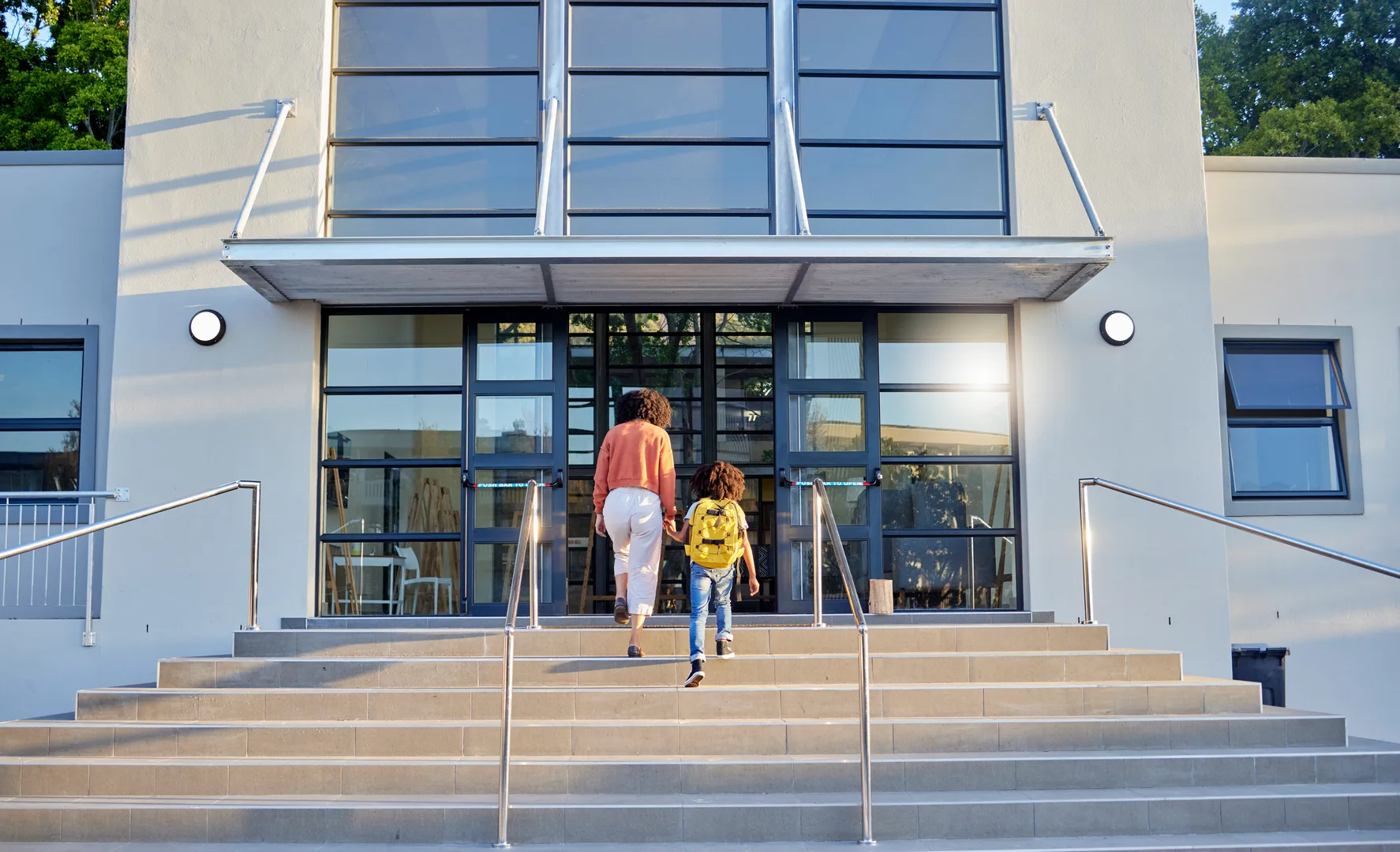
The First Day Sets the Tone
The first day at a new international school is a milestone moment for both children and parents. For the child, it represents a leap into the unknown — new faces, new routines, possibly a new language, and certainly a new social landscape to navigate. For parents, it is a day charged with hope, guilt, and anxiety in roughly equal measure. How you prepare for this day — and how you handle the days immediately following it — can significantly influence how quickly and successfully your child settles into their new school.
This guide provides age-specific preparation strategies, practical checklists, and evidence-based advice for managing the emotional dimensions of starting at an international school. Whether your child is entering Early Years at age 3 or beginning secondary school at 14, the principles of preparation remain remarkably consistent: familiarity reduces anxiety, routine creates safety, and your own emotional regulation sets the benchmark for your child's.
Age-Specific Preparation Strategies
Ages 3-5: Early Years and Foundation Stage
Young children experience school transitions primarily through sensory and emotional channels. They may not fully understand what "new school" means, but they will pick up on parental energy, notice unfamiliar smells and sounds, and react to separation from their primary caregiver.
- Visit the school beforehand. If the school offers a settling-in session or campus tour for new families, attend it. Let your child explore the classroom, meet the teacher, and use the playground. Familiarity is the single most powerful anxiety reducer for this age group.
- Read books about starting school. Stories normalise the experience and give your child a vocabulary for their feelings. Titles like "The Kissing Hand" or "Starting School" by Allan Ahlberg work well.
- Practise the morning routine. For at least one week before school starts, run through the wake-up, breakfast, getting dressed, and leaving-the-house routine at the actual school time. Young children thrive on predictability.
- Pack a comfort item. A small, familiar object from home — a family photo tucked into the backpack, a favourite keyring — provides emotional grounding during overwhelming moments.
- Keep drop-off short and confident. Lingering at the classroom door signals to your child that there is something to be worried about. Say goodbye warmly, hand them to the teacher, and leave. They will cry. They will also stop within minutes in the vast majority of cases.
Ages 6-10: Primary School
Children in this age range are more socially aware and may worry specifically about making friends, keeping up academically, or being different from their peers. They benefit from concrete information and honest conversations.
- Talk about what to expect. Walk through a typical school day: where they will sit, what subjects they will have, how lunch works, where the toilets are. The more concrete details you can provide, the less their imagination will fill in worst-case scenarios.
- Address language concerns directly. If your child will be learning in a second language or in a school where the playground language differs from the classroom language, acknowledge that it will be hard at first and emphasise that it gets easier quickly. International schools are highly experienced at supporting multilingual learners.
- Identify one friendly adult. Help your child identify one specific adult at the school — a teacher, a teaching assistant, the school receptionist — whom they can approach if they feel lost or upset. Having a named person to go to reduces the feeling of being alone in a crowd.
- Prepare for social dynamics. Teach your child simple icebreakers: "Hi, I'm [name], I just moved here from [place]." Practise these at home. For this age group, having something to say on day one eliminates the paralysing silence that feeds social anxiety.
- Organise playdates early. If the school shares a class list or has a parent WhatsApp group, reach out to other new families and arrange to meet before school starts. Arriving on day one already knowing one person transforms the experience.
Ages 11-14: Early Secondary
This is widely considered the hardest age for school transitions. Peer identity is paramount, social hierarchies are rigid, and the academic stakes feel higher. Adolescents in this age group need a different kind of support — less directive, more collaborative.
- Involve them in decisions. If possible, let your child have input into the school choice, uniform options, and extracurricular selections. Agency reduces resentment and increases buy-in.
- Acknowledge the difficulty honestly. Avoid toxic positivity ("This is going to be amazing!"). Instead, validate their feelings: "I know this is hard. It's normal to feel nervous about starting somewhere new." Adolescents can spot forced optimism instantly, and it erodes trust.
- Encourage extracurricular participation. Joining a sports team, drama group, or music ensemble provides a structured social environment where friendships form naturally around shared interests. This is often more effective than classroom socialisation for this age group.
- Discuss digital social dynamics. Many adolescent social groups communicate through Instagram, Snapchat, or WhatsApp before school even starts. If your child does not have access to these platforms, they may feel excluded from day one. Navigate this carefully — you know your child and your values — but be aware that digital social life is real social life at this age.
- Monitor without interrogating. Ask open-ended questions ("What was the most interesting thing today?" rather than "Did you make any friends?"). Let them share at their own pace. The after-school car ride is not a debrief — it is decompression time.
Ages 15+: Upper Secondary
Older teenagers face the additional pressure of academic continuity. A school transition at this stage may involve switching curricula (GCSE to IB, or AP to A-Levels), which creates genuine academic anxiety on top of social adjustment.
- Map the academic transition clearly. Meet with the school's academic counsellor before term starts to understand exactly how your child's previous coursework maps onto the new curriculum. Identify any gaps and discuss support options.
- Connect with university counselling early. If your child is in the final two years of school, ensure the new school's university counsellor is aware of their aspirations and has access to their academic record. Continuity of guidance is critical at this stage.
- Respect their need for independence. Older teenagers do not want their parents hovering at the school gate. Let them navigate their own way — but make it clear you are available when needed.
- Help them find their niche. Encourage involvement in one activity they are already passionate about. Being the new student who is excellent at debate, music, or football provides an immediate identity that transcends being "the new kid."
What to Pack: A Practical Checklist
Every international school will provide a specific list, but the following items are near-universal:
- School bag (within any size/colour guidelines the school specifies)
- Water bottle (labelled with your child's name)
- Snack and/or lunch (check the school's food policy — some provide meals, others do not)
- Stationery: pencils, erasers, colouring pens (for younger children), calculator and notebooks (for older students)
- Change of clothes (for Early Years and Foundation Stage children)
- Sun hat and sunscreen (in warmer climates — Dubai, Singapore, Sydney)
- Any medication with a completed medical authorisation form
- A small comfort item or family photo (especially for younger children)
Managing Parent Anxiety
Let us be honest: the first day is often harder for parents than for children. Your child will be swept up in the novelty of a new environment, new classmates, and new activities. You, meanwhile, will be sitting at home imagining every possible scenario. Here is how to manage your own anxiety:
- Trust the school's transition process. International schools handle new students constantly — this is literally what they do. They have systems, buddy programmes, and trained staff specifically for this purpose.
- Do not call the school at 10am. Unless there is a genuine emergency, resist the urge to check in during the first morning. Your child is fine. The school will contact you if they are not.
- Connect with other new parents. Shared experience is the best antidote to isolation. Attend the new-parent coffee morning, join the class WhatsApp group, introduce yourself. You are not the only one feeling this way.
- Have a plan for yourself. Do not sit at home staring at the clock. Schedule something — a coffee with a friend, a gym session, an errand. Idle time feeds worry.
The After-School Debrief: Getting It Right
How you handle the reunion at the end of the first day matters more than most parents realise. The temptation is to bombard your child with questions the moment they appear. Resist this impulse.
- Start with connection, not interrogation. A hug, a snack, and a quiet moment before any conversation. Your child has been performing all day — being brave, being social, being attentive. They need to decompress before they can reflect.
- Ask specific, neutral questions. "What did you have for lunch?" works better than "Did you make friends?" The former invites a story; the latter invites a one-word answer that may or may not reflect reality.
- Normalise negative emotions. If your child says they hated it, or nobody talked to them, or they felt stupid — listen without fixing. "That sounds really hard" is more helpful than "It'll be better tomorrow."
- Watch for patterns, not single days. One bad day does not mean the school is wrong for your child. Look for trends over the first 2-3 weeks. If distress persists or worsens beyond the third week, that is when to engage with the school's pastoral team. For deeper guidance on supporting your child's emotional wellbeing, read our article on supporting mental health during school changes.
Common First-Week Challenges
Knowing what to expect helps you respond calmly when these predictable challenges arise:
- Exhaustion. New environments are mentally draining. Your child may come home exhausted, irritable, or emotionally volatile for the first 1-2 weeks. This is normal. Prioritise sleep and low-key evenings.
- Lunch and break confusion. Not knowing where to sit, who to talk to, or how the lunch system works is a universal first-week stressor. It resolves itself within days as routines become familiar.
- Academic mismatch. Your child may find some subjects easier or harder than at their previous school due to curriculum differences. Give it at least a month before raising concerns with teachers — temporary gaps are expected during transitions.
- Comparison with previous school. "My old school was better" is a common refrain. It is not necessarily true — it is familiar, and familiarity feels safe. Acknowledge the feeling without agreeing or dismissing it.
When to Worry vs When to Wait
The hardest part of any school transition is knowing when normal adjustment ends and genuine concern begins. As a general guide from Child Mind Institute research:
- Normal (weeks 1-3): Tears at drop-off, reluctance to go, tiredness, mood swings, occasional complaints about having no friends.
- Worth monitoring (weeks 3-6): Persistent reluctance, physical symptoms (headaches, stomach aches) on school mornings, social withdrawal at home, sleep disturbances.
- Action needed (beyond week 6): Ongoing distress that is not improving, refusal to attend school, significant behavioural changes, or your child explicitly asking for help.
If you reach the "action needed" stage, contact the school's pastoral care team or counsellor. International schools typically have robust support systems — use them. You can also consult the NHS children's mental health resources for additional guidance. For younger children starting school life for the first time, our guide on early years education for expat families covers what to expect in detail.
Setting Up for Long-Term Success
The first day is just the beginning. The real adjustment happens over weeks and months, not hours. Here are the habits that support long-term success:
- Establish a consistent routine. Same wake-up time, same breakfast, same departure time. Consistency removes decision fatigue and creates a sense of safety.
- Engage with the school community. Attend parent events, volunteer for activities, contribute to the PTA. Your visibility in the school community signals to your child that you are invested in their new world.
- Maintain some continuity. Keep one or two elements of your child's previous life consistent — an online class with old friends, a familiar hobby, a regular video call with grandparents. Total change is overwhelming; strategic continuity provides anchors.
- Be patient with yourself. Parenting through a school transition is emotionally labour-intensive. You will doubt your decisions, feel guilty about the disruption, and second-guess yourself. This is universal. Give yourself the same grace you are extending to your child.
For families also navigating the emotional complexities of adjusting to a new country alongside a new school, our guide on helping your child adjust to school abroad provides additional strategies.
Looking for the right school? Browse top international schools worldwide on SchoolVita.
Frequently Asked Questions
The most effective approach is a combination of preparation and emotional validation. Before the day, visit the school so your child has visual familiarity with the environment. Practise the morning routine for a full week so the logistics feel automatic. On the day itself, keep drop-off confident and brief — prolonged goodbyes amplify anxiety for both of you. Acknowledge their feelings ("I know you're nervous, and that's completely normal") without trying to fix or minimise them. A small comfort object in their bag — a family photo or familiar keyring — provides a private source of reassurance throughout the day. Most importantly, manage your own anxiety visibly: children are remarkably perceptive mirrors of parental emotion.
Every school will provide a specific list, but the essentials are universal: a labelled water bottle, a snack or packed lunch (check the school's food policy), age-appropriate stationery, and their school bag within any guidelines the school specifies. For younger children (ages 3-6), pack a change of clothes and a small comfort item. For older children, a calculator, notebook, and any prescribed textbooks may be needed from day one. In warmer climates, a sun hat and sunscreen are essential. If your child takes any medication, ensure you have completed the school's medical authorisation form and handed it to the school nurse. Label everything with your child's name — in the first week of school, an astonishing amount of property goes missing.
Research and school counsellor experience suggest most children adjust to a new school within 4-8 weeks. The first 1-2 weeks are typically the hardest, characterised by heightened emotions, tiredness, and social uncertainty. By weeks 3-4, routines are established and initial friendships begin forming. By weeks 6-8, most children feel comfortable with their environment and have found their social place. However, this timeline varies significantly by age (younger children often adjust faster), personality (extroverts tend to settle socially before introverts), and the degree of change involved (same city vs international relocation). If your child shows no improvement after 6-8 weeks, it is appropriate to seek support from the school's pastoral team.
For children in Early Years (ages 3-5), some schools run a structured settling-in period where parents stay for a portion of the first few days, gradually reducing their presence. Follow the school's specific protocol — they have tested what works. For children aged 6 and above, staying at school is generally counterproductive. Your presence prevents your child from engaging fully with the new environment and signals that you do not trust the school to look after them. Drop off confidently, say a warm goodbye, and leave. If the school hosts a first-day parent coffee morning, attend that — it gives you something to do nearby while your child begins their day, and you will meet other parents in the process.
SchoolVita
Education Specialist
Cities in This Article
Explore Schools
Find and compare the best schools worldwide by type or curriculum.
Free · No obligation
Looking for a school?
Tick the ones you'd like fees and admissions details from. We send your enquiry straight to their admissions teams.
Related Articles

Scholarships at International Schools: How to Find, Apply & Win
A comprehensive guide to finding and winning scholarships at international schools — covering merit, need-based, sport, and arts awards with city-specific examples and application tips.

International Schools That Accept Mid-Year Transfers: City-by-City Guide
Which international schools accept mid-year enrollment? A city-by-city guide for Dubai, London, Singapore, Istanbul, and NYC with timelines, document checklists, and transition tips for expat families.

IB Exam Preparation 2026: What Parents Need to Know
Everything parents need to know about the May 2026 IB exams. An 8-week countdown plan, subject-specific study strategies, TOK and EE deadlines, CAS requirements, and practical advice on supporting your child through exam season without adding pressure.

New School Year Checklist: Everything Expat Families Need to Prepare
The ultimate back-to-school checklist for international school families. Organised by timeline — from two months before to the first week — covering documents, uniforms, technology, transport, medical forms, and community engagement.