
Montessori vs Traditional Schools: Which Approach Suits Your Child?
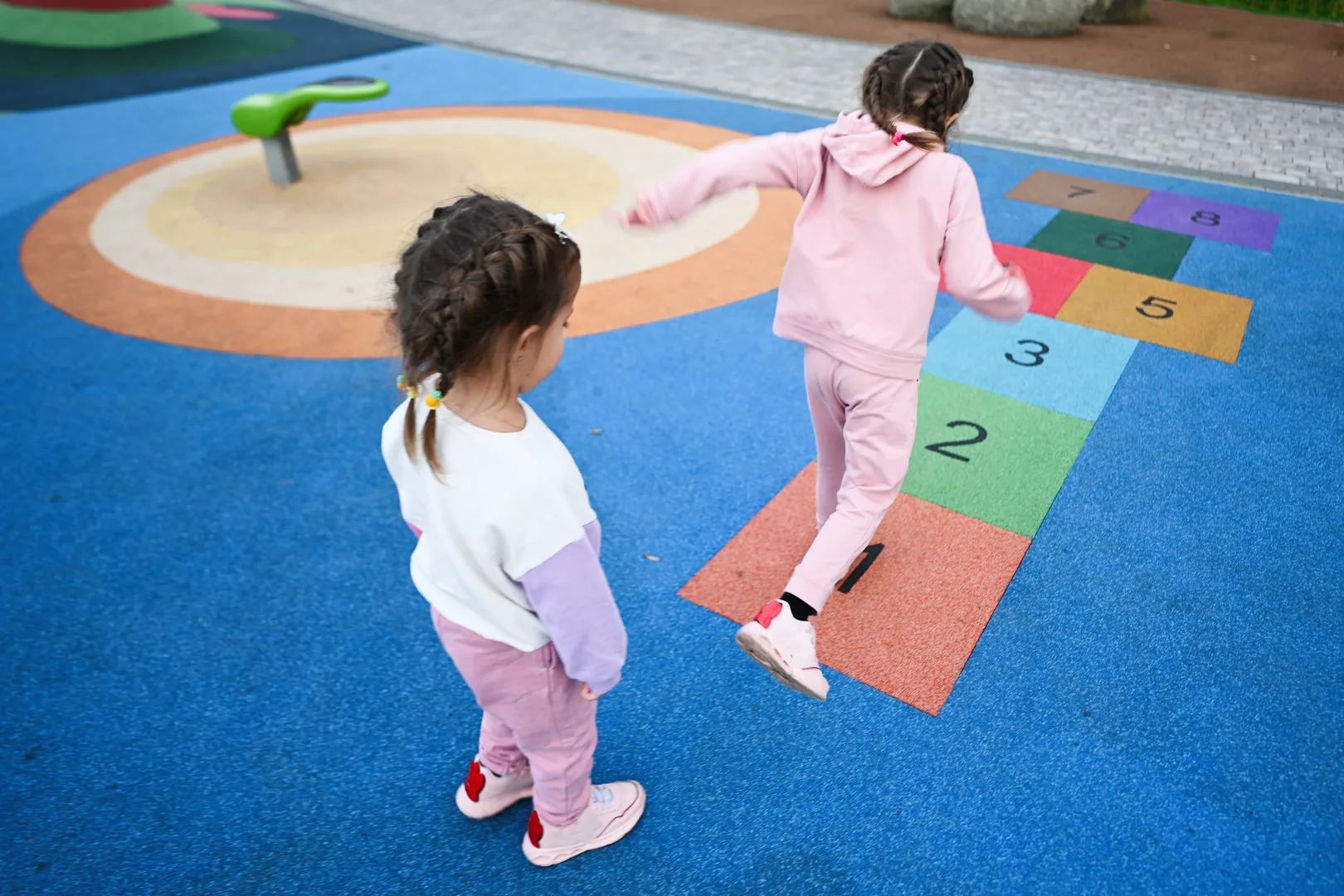
The debate between Montessori and traditional education is one of the most common dilemmas parents face when choosing a school. Both approaches have passionate advocates and decades of evidence behind them. Rather than declaring a winner, this guide examines what each approach actually involves, what the research shows, and how to determine which is the better fit for your child.
What Is Montessori Education?
Montessori education was developed by Dr. Maria Montessori in the early 1900s and is now practised in over 20,000 schools worldwide. The approach is grounded in several core principles:
- Self-directed learning: Children choose their own work within a prepared environment, guided by their natural curiosity and developmental readiness.
- Mixed-age classrooms: Students are grouped in multi-year age bands (typically 3–6, 6–9, 9–12), allowing younger children to learn from older peers and older children to reinforce knowledge through teaching.
- Hands-on materials: Montessori uses specially designed manipulative materials — from sandpaper letters to bead chains — that make abstract concepts concrete and tangible.
- Uninterrupted work periods: Children typically have 2–3 hour blocks of uninterrupted work time, allowing deep concentration and flow states.
- The teacher as guide: Montessori teachers observe and facilitate rather than lecture. They introduce materials and concepts when a child is developmentally ready.
The Association Montessori Internationale (AMI), founded by Maria Montessori herself, and the American Montessori Society (AMS) are the two primary accrediting bodies. Schools affiliated with AMI or AMS are more likely to implement the method authentically.
What Is "Traditional" Education?
Traditional education — sometimes called "conventional" or "mainstream" schooling — encompasses a broad range of pedagogical approaches, but typically shares these characteristics:
- Teacher-directed instruction: The teacher designs and delivers lessons according to a structured curriculum and timetable.
- Same-age classrooms: Students are grouped by year of birth, progressing through grade levels together.
- Structured timetables: The school day is divided into periods for specific subjects, with designated break times.
- Standardised assessment: Regular testing, grading, and report cards measure progress against defined benchmarks.
- Whole-class teaching: Instruction is often delivered to the entire class simultaneously, with differentiation for varying ability levels.
Traditional schools vary enormously in quality and approach. A progressive traditional school may incorporate project-based learning, collaborative work, and student choice — while a more conservative one may rely heavily on textbooks and rote memorisation. The label "traditional" is broad.
Montessori vs Traditional: A Side-by-Side Comparison
| Aspect | Montessori | Traditional |
|---|---|---|
| Pace of learning | Individual — each child progresses at their own speed | Group-paced — curriculum moves at a set rate for the class |
| Motivation | Intrinsic — driven by curiosity and interest | Often extrinsic — grades, rewards, teacher approval |
| Assessment | Observation-based, portfolio assessment, no traditional grades (in pure Montessori) | Tests, quizzes, report cards, standardised exams |
| Classroom layout | Open, with distinct learning areas and accessible materials | Desks facing forward, teacher at the front |
| Social learning | Mixed-age collaboration, peer teaching | Same-age interaction, competitive or cooperative depending on school |
| Curriculum flexibility | Child follows interest within structured environment | Fixed sequence determined by curriculum standards |
| Role of teacher | Observer and guide | Instructor and authority |
| Homework | Minimal or none in early years | Varies, often starts in early primary years |
What Does the Research Say?
The evidence on Montessori outcomes is growing, though methodological challenges make definitive conclusions difficult (self-selection bias is a persistent issue). Here are the key findings:
Academic Outcomes
A landmark study published in Science by Lillard and Else-Quest (2006) found that Montessori students in Milwaukee outperformed traditionally educated peers in reading and maths at age 5, and in writing and social problem-solving at age 12. More recent research published in the National Library of Medicine has found positive associations between Montessori education and executive function, creativity, and reading achievement — though effect sizes vary.
Social-Emotional Development
Multiple studies indicate that Montessori students demonstrate stronger social skills, greater independence, and more positive attitudes toward school. The mixed-age classroom structure appears to foster empathy and cooperative behaviour, as older students regularly mentor younger ones.
Long-Term Outcomes
Research on long-term outcomes is limited, but available data suggests that Montessori-educated individuals tend to report higher levels of well-being and intrinsic motivation in adulthood. However, many successful adults attended traditional schools, and the quality of implementation matters far more than the label.
The Montessori Age-Group Environments
Understanding the Montessori age groupings helps parents evaluate whether the approach is appropriate at different stages:
Toddler Community (18 months – 3 years)
Focus on practical life skills, language development, and independence. Children learn to dress themselves, prepare simple food, and care for their environment. This stage is widely regarded as one of Montessori's greatest strengths.
Children's House / Casa (3–6 years)
The classic Montessori environment. Children work with sensorial materials, begin reading and writing through phonics-based approaches, and develop mathematical concepts using concrete materials like number rods and golden beads. This is the age range with the strongest research support.
Lower Elementary (6–9 years) and Upper Elementary (9–12 years)
Montessori elementary introduces the "Great Lessons" — sweeping narratives about the creation of the universe, life on Earth, human civilisation, language, and mathematics. Students pursue research projects inspired by these narratives, developing deep knowledge in self-chosen areas.
Montessori Adolescent Programme (12–18 years)
Authentic Montessori secondary programmes are rare. Maria Montessori envisioned a farm-based "Erdkinder" programme for adolescents, emphasising practical work, community contribution, and real-world experience. Most Montessori students transition to traditional secondary schools by age 12 or 14.
Transitioning from Montessori to Traditional Schools
One of parents' biggest concerns is whether Montessori students can successfully transition to traditional environments. The evidence is reassuring:
- Academic readiness: Montessori students generally transition well academically. They often read above grade level and have strong mathematical foundations.
- Adjustment period: Some children need time to adapt to structured timetables, homework routines, and graded assessments. This adjustment typically takes one to two terms.
- Self-advocacy skills: Montessori students are often skilled at self-directed work but may initially struggle with waiting for whole-class instruction or asking permission for tasks they previously managed independently.
- Optimal transition points: Transitions at natural break points (end of a Montessori cycle — age 6, 9, or 12) tend to be smoother than mid-cycle transitions.
When Montessori Works Best
Montessori tends to be particularly effective for children who:
- Are naturally curious and self-motivated — children who thrive when given freedom to explore
- Learn at a different pace from peers — both gifted learners and those who need more time benefit from individualised progression
- Are hands-on learners — children who learn best through manipulation and movement rather than sitting and listening
- Are sensitive to competitive environments — the absence of grades and ranking can reduce anxiety
- Have strong interests — Montessori allows deep dives into topics of fascination
When Traditional Schools May Be Better
Traditional schooling may be preferable for children who:
- Thrive with clear structure and routine — some children feel more secure with a predictable timetable and explicit expectations
- Are motivated by grades and recognition — external motivation is not inherently negative; some children perform best when working toward tangible goals
- Need direct instruction — some learners benefit from explicit teaching, especially in subjects they find challenging
- Plan to attend traditional secondary schools and universities — starting in a traditional system avoids any transition friction
- Enjoy team competition — traditional schools often have more developed sports and competition programmes
How to Evaluate Schools
Whether you're considering Montessori or traditional, these questions will help you assess quality:
- For Montessori: Is the school AMI or AMS accredited? Are teachers Montessori-trained (not just in a "Montessori-inspired" setting)? Are work periods at least two hours uninterrupted? Are classrooms properly equipped with Montessori materials?
- For traditional: What are class sizes? How does the school differentiate for different ability levels? What curriculum do they follow? What are their standardised test results and university placement records?
- For both: Visit the school. Observe a class. Talk to current parents. Watch how teachers interact with students. The quality of the school matters far more than the pedagogical label.
Browse Montessori schools, international schools, and private schools on SchoolVita to compare options in your city.
The Bottom Line
There is no universally "better" approach. Montessori and traditional education are different tools designed for different learning profiles. The best school for your child is the one that aligns with how they learn, what motivates them, and where they feel confident and engaged. Visit schools, observe classrooms, and trust what you see. A thriving child in a well-run traditional school will outperform a struggling child in a poorly implemented Montessori programme — and vice versa. The quality of the school and its teachers will always matter more than the method on the sign outside.
Frequently Asked Questions
Montessori programmes typically start at age 2.5–3 in the "Children's House" (Casa) classroom, which covers ages 3–6. This is considered the ideal entry point because the three-year age grouping allows younger children to learn from older peers. Some Montessori schools offer infant and toddler programmes from 12–18 months, but the 3–6 programme is the most widely available and well-established.
Research shows Montessori graduates generally transition well, often excelling in self-direction, reading, and problem-solving. Some children may initially need to adjust to structured schedules, grading systems, and teacher-led instruction. The transition is smoothest when children complete a full Montessori cycle (e.g., ages 3–6 or 6–12) rather than leaving mid-cycle, as each cycle is designed as a cohesive developmental unit.
No, Montessori was originally designed by Dr. Maria Montessori for children with learning difficulties and later adapted for all learners. The self-paced nature of Montessori benefits children across the ability spectrum — advanced learners can move ahead without waiting, while those who need more time can work at their own pace without stigma. Many Montessori schools also successfully include children with mild to moderate learning differences.
Montessori tends to suit children who are curious, enjoy hands-on activities, and thrive with some independence in choosing their work. Visit a school during class hours and observe whether children are engaged, focused, and moving purposefully — this is a better indicator than any brochure. Look for AMI or AMS accreditation, trained Montessori guides (not just teachers using the name), and authentic materials in the classroom.
SchoolVita
Education Specialist
Explore Schools
Find and compare the best schools worldwide by type or curriculum.
Free · No obligation
Looking for a school?
Tick the ones you'd like fees and admissions details from. We send your enquiry straight to their admissions teams.
Related Articles

Bangkok vs Kuala Lumpur: Affordable International Schools Compared
Bangkok and Kuala Lumpur are Southeast Asia's most affordable hubs for international education. Compare fees, curricula, cost of living, and family life in both cities.

Dubai vs London: Which City Offers Better International Schools?
A comprehensive comparison of international schools in Dubai and London covering fees, curricula, regulatory bodies (KHDA vs Ofsted), campus facilities, IB availability, university pathways, and quality of life to help families choose the right city.

Private Schools vs International Schools: What's the Real Difference?
Private or international? Two labels that sound similar but lead to very different school experiences. This guide breaks down curriculum, fees, mobility, and university outcomes so you can make the right choice for your family.

New York vs London: International & Private School Comparison
A data-driven comparison of NYC and London private schools covering fees, curricula (AP vs A-Levels), admissions processes, university pathways, and quality of life for expat families.