
Boarding School vs Day School: Making the Right Choice for Your Family
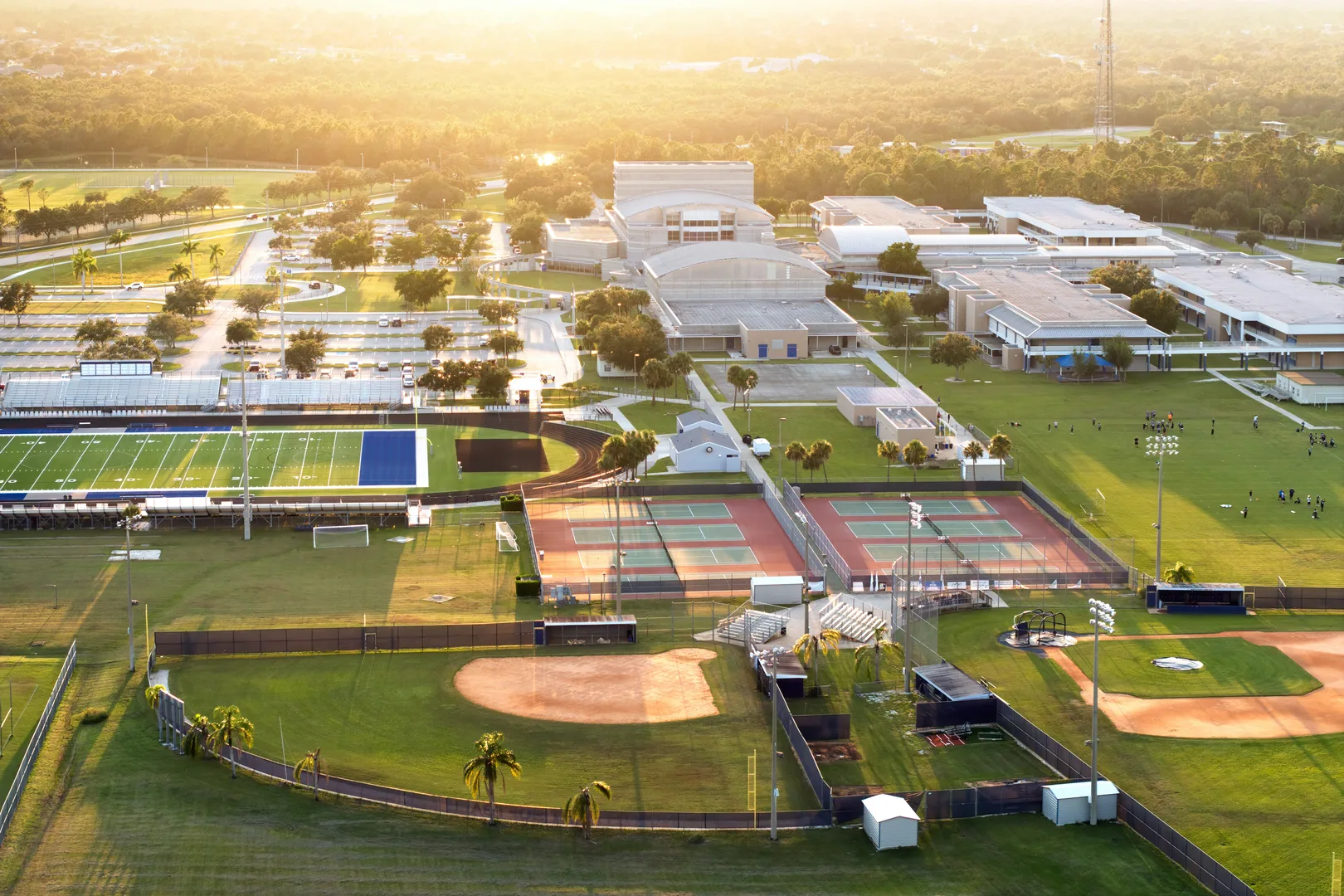
Few educational decisions provoke as much debate — or as much parental guilt — as the choice between boarding school and day school. For some families, boarding is a transformative gift of independence and opportunity. For others, it represents an unnecessary separation during formative years. The truth, as always, lies somewhere in between — and depends entirely on your family's circumstances.
This guide examines the boarding vs day school question from every angle: financial, emotional, practical, and academic. Whether you're an expat family considering boarding for stability, or a local family weighing up whether the investment is worth it, this analysis will help you make an informed decision.
Boarding and Day Schools at a Glance
| Factor | Boarding School | Day School |
|---|---|---|
| Daily involvement | Limited to weekends/holidays (full boarding) or evenings (weekly boarding) | Daily interaction; child comes home each evening |
| Annual cost (typical) | $25,000–$70,000+ (tuition + board + extras) | $8,000–$40,000 (tuition + extras) |
| Supervision hours | 24/7 pastoral care | School hours only; parents responsible outside |
| Social development | Immersive; intense peer relationships | Balanced between school and home social circles |
| Independence | Develops early self-management skills | Gradual independence within family structure |
| Extracurricular access | Extensive; integrated into daily schedule | Available but limited by transport/timing |
| Parental control | Delegated to school for daily decisions | Retained for daily routines, diet, screen time, etc. |
| Best suited for | Independent children, expat families, remote locations, specialist programmes | Family-oriented children, stable local families, younger children |
Types of Boarding
Modern boarding is not one-size-fits-all. Schools now offer several formats to suit different family needs:
Full Boarding
The traditional model: students live at school from the start of term to the end, with occasional exeat weekends and half-term breaks. This is most common at prestigious British boarding schools and some international schools in Asia. Full boarding provides total immersion and is ideal for families based in different countries from the school.
Weekly Boarding
Students board Monday to Friday and return home for weekends. This model has grown significantly in popularity because it offers many benefits of boarding — structured study, evening activities, peer community — while maintaining regular family contact. According to the Boarding Schools' Association (BSA), weekly boarding is now the fastest-growing segment in the UK.
Flexi Boarding
Students board on selected nights — perhaps two or three per week — and go home on other evenings. This is an excellent entry point for families considering boarding, as it allows the child to experience dormitory life without full commitment. Many private schools now offer flexi boarding as standard.
Occasional Boarding
Some schools allow students to board on an ad hoc basis — for example, when parents are travelling or during exam periods when late-night study sessions are helpful. This is the lightest-touch option and suits families who want the safety net without the lifestyle change.
When Boarding Makes Sense
There is no universally right or wrong answer, but certain family circumstances make boarding a particularly strong option:
Expat Families With Frequent Relocations
If your career requires moves every 2-3 years, a boarding school provides your child with educational continuity. Rather than changing schools repeatedly — each time losing friends, adapting to new curricula, and restarting — the child has a stable base. This is one of the most compelling arguments for boarding in the international school context.
Single-Parent Expat Families
For single parents working demanding jobs abroad, boarding can provide the supervision and enrichment that one parent simply cannot offer alone. This is not a failure of parenting — it is a practical recognition of circumstances.
Access to Specialist Programmes
If your child is a serious musician, athlete, or has a passion that requires specialist facilities, boarding at a school with that specialism may be the only way to access world-class training. Many elite sports academies and music schools operate as boarding institutions.
Remote or Underserved Locations
Families based in locations with limited quality schooling — rural areas, developing regions, or small cities without good international schools — may find boarding the only viable route to quality education.
The Cost Question
Boarding school costs significantly more than day school, but the headline figures can be misleading. Here's a more honest comparison:
| Cost Category | Boarding School | Day School |
|---|---|---|
| Annual tuition | $15,000–$45,000 | $8,000–$35,000 |
| Boarding fees | $10,000–$30,000 | N/A |
| Meals | Included in boarding fees | $1,500–$3,000/year (packed or canteen) |
| Transport | Included or minimal | $1,000–$5,000/year (bus or driving) |
| After-school activities | Mostly included | $2,000–$6,000/year (external clubs, tutoring) |
| Childcare/supervision | Included (24/7) | $3,000–$10,000/year (after-school care, nanny, etc.) |
| Realistic total | $25,000–$70,000+ | $15,000–$55,000+ |
When you factor in the hidden costs of day schooling — transport, after-school activities, childcare, meals, and the opportunity cost of a parent's time — the gap narrows considerably. For a deeper analysis of school costs, see our guide to hidden costs of international schools.
Emotional Readiness: Is Your Child Ready?
The most important factor in whether boarding will be a positive experience is your child's emotional readiness. No amount of excellent facilities can compensate for a child who is not psychologically prepared to live away from home.
Signs of Readiness
- Enjoys sleepovers and camps, and copes well with being away from parents
- Can manage basic self-care (laundry, organisation, personal hygiene) independently
- Has a degree of emotional resilience — can handle disappointment, social friction, and homesickness without becoming overwhelmed
- Expresses genuine interest in boarding (not just parental enthusiasm)
- Has reasonable social skills and can make new friends
Signs They're Not Ready Yet
- Strong attachment anxiety or separation difficulties
- Currently going through a difficult period (parental divorce, bereavement, friendship problems)
- Limited self-care skills and heavily reliant on parents for daily routines
- Significant resistance to the idea — even after visiting schools and meeting students
Most experts suggest that full boarding before age 11 should be approached with caution. Weekly or flexi boarding can work well from age 8-9 for ready children, but full boarding is generally better suited to secondary school age (11+).
What Research Says About Boarding Outcomes
Research on boarding school outcomes is mixed, which reflects the diversity of boarding experiences:
- Academic outcomes: Boarding school students in the UK consistently outperform the national average at A-Level and GCSE, but this is largely a selection effect (wealthier families, entrance exams). According to ISC Research, once socioeconomic factors are controlled, the academic advantage is modest.
- Independence and resilience: Multiple studies confirm that boarders develop stronger self-management skills, greater adaptability, and higher levels of independence than their day school peers.
- Social development: Boarders report stronger peer networks and greater comfort in diverse social settings. However, some research notes that the intensity of boarding relationships can also lead to more social conflict during adolescence.
- Emotional wellbeing: This is the most debated area. Older research (pre-2000) suggested higher rates of emotional difficulty among boarders, but modern boarding — with dedicated pastoral teams, counsellors, and better safeguarding — has significantly improved outcomes. The Association of Boarding Schools (TABS) publishes regular surveys showing high satisfaction rates among current boarding families.
Making the Decision: A Framework
Rather than debating abstractly, use this practical framework to guide your decision:
- Start with the child. Their temperament, readiness, and preferences should be the primary input — not parental nostalgia or social pressure.
- Consider your family circumstances. Be honest about your mobility, work demands, and the quality of local alternatives.
- Visit schools. Both boarding and day. Observe the atmosphere, talk to current parents, and watch how students interact with staff.
- Try before you commit. Many schools offer taster weekends or flexi boarding trials. Use them.
- Make it reversible. Choose a school that would allow your child to switch from boarding to day (or vice versa) without changing institutions.
Browse schools in London — one of the world's richest markets for both boarding and day options — to explore what's available, or use our international schools directory to compare options globally.
Final Thoughts
The boarding vs day school debate is not about finding the objectively better option — it's about finding the right fit for your child and your family at this moment. Children change, circumstances evolve, and what works at 11 may not work at 15. Stay flexible, stay connected, and keep the conversation open with your child throughout their school years.
Frequently Asked Questions
Most boarding schools accept students from age 11 or 13, which corresponds to Year 7 or Year 9 entry in the British system. Some preparatory boarding schools offer places from age 7 or 8, though full boarding at this age is less common today than in previous decades. The right age depends on your child's maturity, independence, and emotional readiness. Many families find that starting at 13 or 14 offers a good balance—children are old enough to manage daily routines independently while still young enough to fully integrate into the boarding community.
Boarding fees are typically 40–70% higher than day school fees at the same institution, as they cover accommodation, meals, evening and weekend supervision, and pastoral care. In the UK, annual boarding fees at leading schools range from £30,000 to £45,000, compared with £15,000 to £25,000 for day places. Internationally, costs vary widely by location—boarding in Switzerland or the US can exceed £50,000 per year. It is worth factoring in that boarding fees often include expenses that day school families pay separately, such as after-school activities, meals, and transport.
Research shows that boarding school students often achieve strong academic outcomes, but this is influenced by multiple factors including school selectivity, resources, and structured study time rather than boarding itself. Boarders benefit from supervised evening prep sessions, easy access to teachers and libraries, and a peer environment focused on learning. However, a well-chosen day school with strong academic support can deliver equally impressive results. The key advantage of boarding is the consistency of routine and immersion in an academic culture, which can particularly benefit students who thrive with structure.
Flexi-boarding allows students to board on selected nights during the week rather than committing to full-time boarding. This arrangement is ideal for families who want their child to experience boarding life—building independence and friendships—while still spending regular time at home. Policies vary by school: some allow booking on a night-by-night basis, while others require a minimum number of nights per week. Flexi-boarding is an excellent way to ease a child into boarding gradually, and many families use it as a stepping stone before transitioning to weekly or full boarding.
SchoolVita
Education Specialist
Cities in This Article
Explore Schools
Find and compare the best schools worldwide by type or curriculum.
Free · No obligation
Looking for a school?
Tick the ones you'd like fees and admissions details from. We send your enquiry straight to their admissions teams.
Related Articles

Bangkok vs Kuala Lumpur: Affordable International Schools Compared
Bangkok and Kuala Lumpur are Southeast Asia's most affordable hubs for international education. Compare fees, curricula, cost of living, and family life in both cities.

Dubai vs London: Which City Offers Better International Schools?
A comprehensive comparison of international schools in Dubai and London covering fees, curricula, regulatory bodies (KHDA vs Ofsted), campus facilities, IB availability, university pathways, and quality of life to help families choose the right city.

Private Schools vs International Schools: What's the Real Difference?
Private or international? Two labels that sound similar but lead to very different school experiences. This guide breaks down curriculum, fees, mobility, and university outcomes so you can make the right choice for your family.

New York vs London: International & Private School Comparison
A data-driven comparison of NYC and London private schools covering fees, curricula (AP vs A-Levels), admissions processes, university pathways, and quality of life for expat families.