
Best Schools in Abu Dhabi vs Dubai: Which Emirate Is Better for Families?
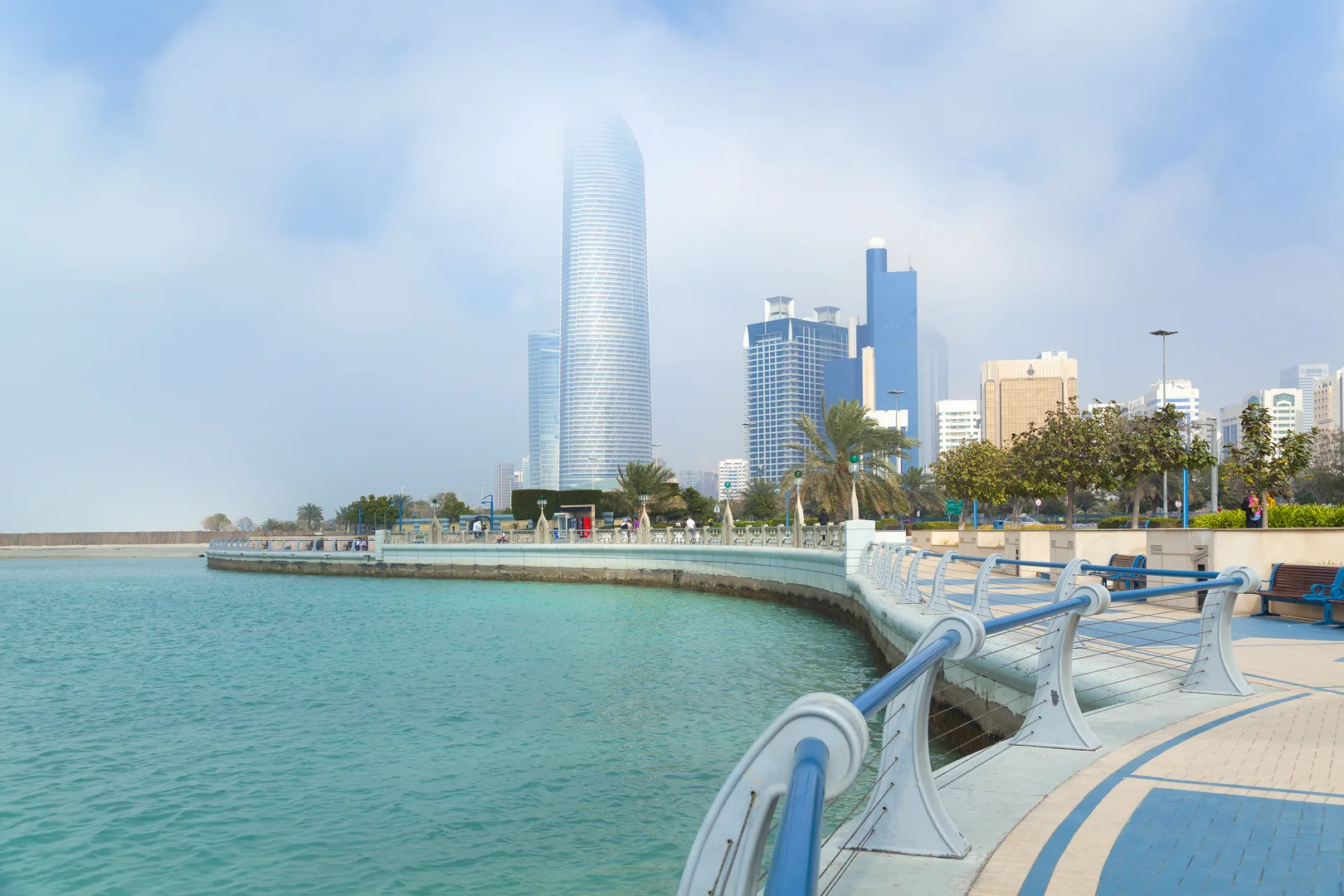
Two Emirates, Two Education Markets
Abu Dhabi and Dubai sit just 130 kilometres apart on the UAE's coastline, yet their education markets have developed distinct identities. Dubai leads in sheer volume, with over 215 private schools serving a massive expat population. Abu Dhabi, the capital, offers a more curated market of approximately 200 private schools, with a stronger emphasis on regulatory rigour and a growing number of premium institutions.
For families relocating to the UAE who have flexibility in choosing between the two emirates, the school system can — and should — be a deciding factor. This guide provides an honest, data-driven comparison to help you make the right call.
Head-to-Head Comparison
| Factor | Dubai | Abu Dhabi |
|---|---|---|
| Number of Private Schools | 215+ | 200+ |
| Regulatory Body | KHDA | ADEK |
| British Curriculum Schools | 75+ | 45+ |
| IB Schools | 30+ | 20+ |
| American Schools | 35+ | 25+ |
| Indian Schools | 40+ | 30+ |
| Average Annual Fee (AED) | 42,000 | 38,000 |
| Premium School Fees (AED) | Up to 120,000+ | Up to 105,000 |
| Budget School Fees (AED) | From 6,000 | From 8,000 |
| Inspection Transparency | Excellent (public reports) | Excellent (public reports) |
| Fee Regulation | ECF (linked to rating) | ADEK caps (annual review) |
Regulatory Bodies: KHDA vs ADEK
Both emirates have robust school inspection frameworks, but they operate independently with slightly different approaches:
KHDA (Dubai)
The Knowledge and Human Development Authority inspects every private school in Dubai annually. Ratings range from "Outstanding" to "Very Weak," with detailed public reports. KHDA's Education Cost Framework (ECF) ties permissible fee increases to school quality ratings — a system that rewards improvement and protects parents from arbitrary fee hikes. KHDA is also more permissive in allowing new school openings, which drives competition and innovation.
ADEK (Abu Dhabi)
The Abu Dhabi Department of Education and Knowledge takes a similarly rigorous approach but with a more interventionist philosophy. ADEK has been more aggressive in school improvement initiatives, directly working with underperforming schools rather than simply rating them. Abu Dhabi's inspection reports are equally transparent, and ADEK maintains fee caps that are reviewed annually. The capital's regulatory environment tends to feel slightly more protective of parents.
Fee Comparison: Where Your Money Goes Further
Abu Dhabi is generally 10-15% more affordable than Dubai for comparable school quality. This isn't a marginal difference — over a 13-year school career, a family with two children could save AED 100,000 – 200,000 by choosing Abu Dhabi over Dubai, assuming comparable school tiers.
By Curriculum (Average Annual Fees)
| Curriculum | Dubai Average (AED) | Abu Dhabi Average (AED) | Savings |
|---|---|---|---|
| British | 48,000 | 42,000 | ~12% |
| IB | 65,000 | 55,000 | ~15% |
| American | 42,000 | 36,000 | ~14% |
| Indian | 14,000 | 12,000 | ~14% |
However, fee savings should be weighed against other factors. Dubai's larger market offers more choice at every price point, and the top-tier Dubai schools (Dubai College, Repton, GEMS World Academy) have longer track records and stronger university placement data than their Abu Dhabi equivalents.
Cost of Living Impact on Education Budgets
Education doesn't exist in a vacuum — your overall cost of living determines how much you can allocate to school fees. Here's how the two cities compare for a typical expat family:
- Housing: Abu Dhabi is 20-30% cheaper for equivalent properties. A 3-bedroom villa that costs AED 180,000/year in Dubai's Arabian Ranches might be AED 130,000 in Abu Dhabi's Khalifa City.
- Transport: Abu Dhabi has lower fuel costs and shorter commutes. Dubai's traffic can add 30-60 minutes to school runs, especially on Sheikh Zayed Road.
- Utilities: Slightly lower in Abu Dhabi, with government housing allowances available for some government sector employees.
- Groceries and dining: Comparable in both cities, though Abu Dhabi has fewer premium restaurant and entertainment options.
The bottom line: a family that saves AED 40,000-60,000 on annual rent in Abu Dhabi can redirect that money toward a higher-tier school — effectively upgrading their child's education without increasing overall spending.
School Quality: Who Has the Edge?
Dubai has more schools at the very top tier — its "Outstanding" rated schools include names like Dubai College, Kings' School, and JESS that have built reputations over decades. Abu Dhabi's top schools (Brighton College Abu Dhabi, Cranleigh Abu Dhabi, Repton Abu Dhabi) are newer but rapidly establishing themselves as regional leaders.
Key quality observations:
- Dubai advantage: More "Outstanding" rated schools, deeper sixth form / A-Level options, stronger university counselling infrastructure, and more established alumni networks.
- Abu Dhabi advantage: Smaller class sizes on average, less overcrowding at top schools, more available places in popular year groups, and stronger ADEK intervention when schools underperform.
- Both cities: Excellent IB programmes, growing American curriculum offerings, and reliable Indian curriculum schools.
Best Family Areas in Each Emirate
Dubai's Top Family Areas
- Jumeirah / Umm Suqeim: Beach lifestyle, premium British and IB schools, villa living. High cost but excellent quality of life.
- Arabian Ranches: Suburban community, top-rated JESS campus, family parks and cycling tracks. Mid-to-premium pricing.
- Dubai Hills Estate: New-build community with purpose-built school infrastructure. Modern villas and apartments, growing amenities.
- Mirdif: Eastern Dubai's family hub. Lower rents, good schools, strong community feel.
Abu Dhabi's Top Family Areas
- Khalifa City: The family suburb of Abu Dhabi. 5 schools, villa communities, close to the airport and Dubai border.
- Al Raha: Waterfront living with 3 schools. Modern developments, Marina Mall nearby.
- Saadiyat Island: Premium cultural district (Louvre Abu Dhabi). 2 top-rated schools. High-end but exceptional lifestyle.
- Al Mushrif: Central location, 4 schools, established neighbourhood with local character.
Which Emirate Suits Which Family Profile?
After analysing both markets in depth, here's our assessment of which emirate suits which family type:
Choose Dubai If:
- You want maximum school choice across all curricula and fee levels
- Your child is targeting top UK or US universities and you want schools with the strongest counselling and placement track records
- You value a cosmopolitan, fast-paced lifestyle with world-class entertainment, dining, and cultural events
- Your employer is based in Dubai and you want to minimise commute time
- You're looking for niche curricula (French, German, Japanese) that may not be available in Abu Dhabi
Choose Abu Dhabi If:
- You want a lower overall cost of living and can redirect housing savings into a better school
- You prefer a calmer, less crowded environment with a family-first culture
- You value easier school admission — Abu Dhabi's top schools generally have shorter waiting lists than Dubai equivalents
- Your employer is in Abu Dhabi's government, oil and gas, or defence sectors, many of which offer generous education allowances
- You appreciate cultural proximity — Abu Dhabi's Louvre, upcoming Guggenheim, and Saadiyat cultural district offer unique family experiences
Can You Live in One Emirate and School in Another?
Yes, but it's not ideal. The Abu Dhabi-Dubai commute via Sheikh Zayed Road or the E311 takes 60-90 minutes each way, depending on traffic and exact locations. Some families living in border areas (Khalifa City in Abu Dhabi, or Jebel Ali in Dubai) manage cross-emirate schooling, but the daily travel adds up quickly and can affect your child's energy and extracurricular participation.
If you're considering this option, look at schools in the southern parts of Dubai (Dubai Investment Park, Motor City) or northern Abu Dhabi (Khalifa City) to minimise transit times. School bus services rarely cross emirate borders, so you'd need private transport arrangements.
Making Your Decision
There's no universally correct answer — both emirates offer excellent education. The right choice depends on your family's priorities, budget, lifestyle preferences, and career location.
Start your research by exploring both cities on SchoolVita: browse Dubai's school directory and Abu Dhabi's school directory to compare schools, fees, and ratings side by side. For a detailed look at Abu Dhabi school costs, read our Dubai school fees breakdown and compare it with Abu Dhabi's pricing structure.
Frequently Asked Questions
Yes, Abu Dhabi school fees are on average 10-15% lower than Dubai for comparable school quality and curriculum. An IB school averaging AED 65,000 in Dubai might cost AED 55,000 in Abu Dhabi. Combined with lower housing costs, families can save AED 50,000-100,000+ per year by choosing Abu Dhabi, which can be redirected toward a higher-tier school.
Dubai has more private schools overall (215+ vs 200+) and leads in every major curriculum category. Dubai has 75+ British schools compared to Abu Dhabi's 45+, and 30+ IB schools versus Abu Dhabi's 20+. However, Abu Dhabi's market is growing rapidly and offers sufficient variety for most families, with particularly strong British and IB segments.
Yes, there are no legal restrictions on cross-emirate schooling. However, the daily commute between Abu Dhabi and Dubai is 60-90 minutes each way, which is exhausting for children and limits extracurricular participation. Most school buses do not operate cross-emirate routes, so you would need private transport. Families in border areas like Khalifa City (Abu Dhabi) or Jebel Ali (Dubai) find this more manageable.
Dubai has more schools rated "Outstanding" by KHDA than Abu Dhabi has in its equivalent top tier under ADEK, largely because Dubai's market is older and more established. However, Abu Dhabi's top schools like Brighton College, Cranleigh, and Repton Abu Dhabi are rapidly catching up. Both emirates have robust inspection frameworks and publish transparent quality data for parents.
SchoolVita
Education Specialist
Cities in This Article
Schools Mentioned
Explore Schools
Find and compare the best schools worldwide by type or curriculum.
Free · No obligation
Looking at schools in Dubai?
Tick the ones you'd like fees and admissions details from. We send your enquiry straight to their admissions teams.
Related Articles

Bangkok vs Kuala Lumpur: Affordable International Schools Compared
Bangkok and Kuala Lumpur are Southeast Asia's most affordable hubs for international education. Compare fees, curricula, cost of living, and family life in both cities.

Dubai vs London: Which City Offers Better International Schools?
A comprehensive comparison of international schools in Dubai and London covering fees, curricula, regulatory bodies (KHDA vs Ofsted), campus facilities, IB availability, university pathways, and quality of life to help families choose the right city.

Private Schools vs International Schools: What's the Real Difference?
Private or international? Two labels that sound similar but lead to very different school experiences. This guide breaks down curriculum, fees, mobility, and university outcomes so you can make the right choice for your family.

New York vs London: International & Private School Comparison
A data-driven comparison of NYC and London private schools covering fees, curricula (AP vs A-Levels), admissions processes, university pathways, and quality of life for expat families.