 Abu Dhabi
In this article (5 sections)
Why Abu Dhabi Is a Top Destination for Quality Education
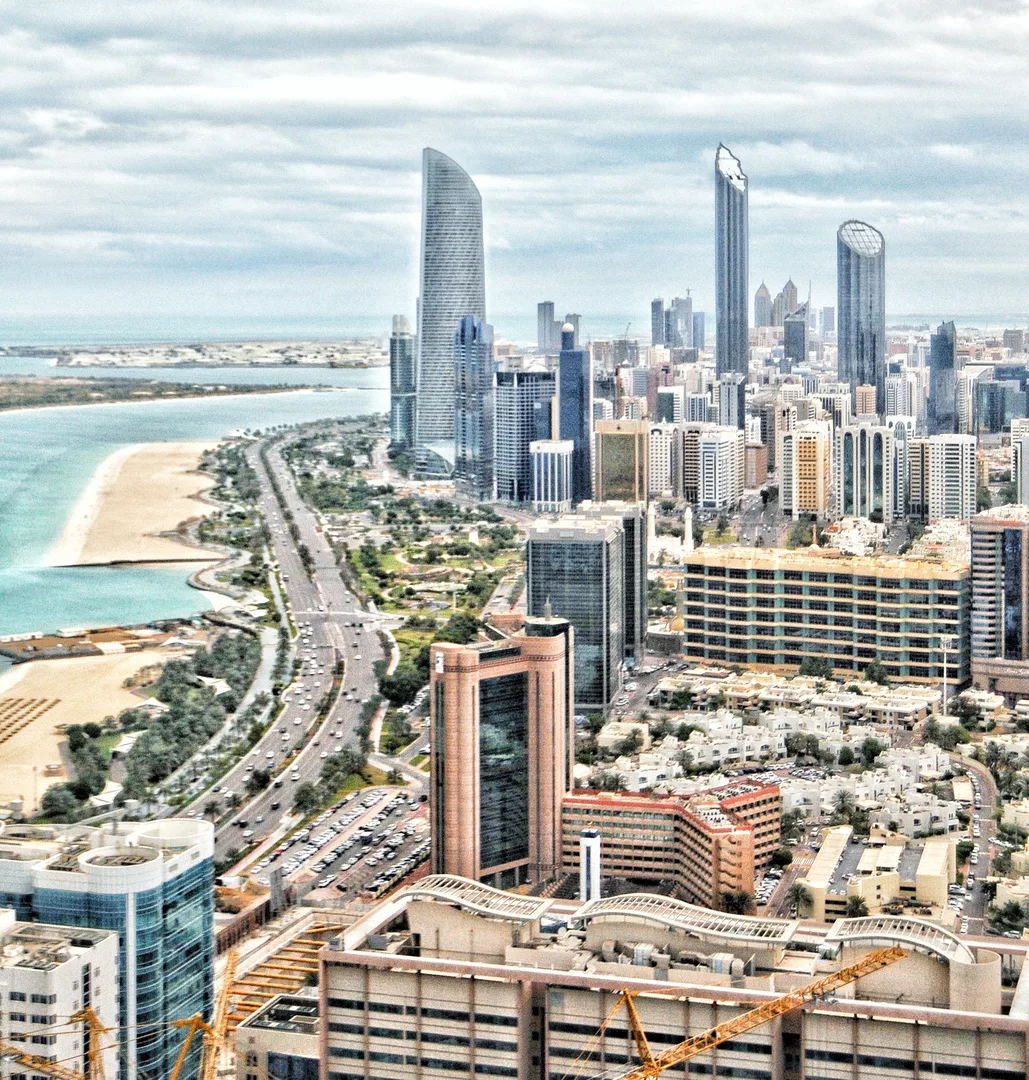
Abu Dhabi has rapidly established itself as one of the most attractive education hubs in the Middle East. With 15 schools listed on SchoolVita across the capital, families relocating to the UAE's largest emirate have a solid range of options, all regulated by the Abu Dhabi Department of Education and Knowledge (ADEK). Unlike many global cities, Abu Dhabi enforces rigorous inspection cycles and transparent quality ratings, giving parents reliable data when choosing a school.
The city's education landscape is dominated by international schools, which account for 13 of the 15 schools we list. Two private schools round out the offering, ensuring families from virtually any background can find a curriculum that suits their needs.
Curriculum Options at a Glance
British curriculum schools lead our list with 8 schools, including standouts like Brighton College Abu Dhabi and Repton Abu Dhabi, both offering A-Level pathways. The American curriculum is offered at 4 schools, including GEMS American Academy with AP courses. French-language education is available at Sorbonne University Abu Dhabi Prep School, and two schools combine the UAE National curriculum with American or British programmes.
Top Areas for Families
School density varies across the city. Al Mushrif has the most schools on our list (4) and offers a central location. Khalifa City (3 schools) is popular among families seeking suburban living with easy access to education, while Al Raha (2 schools) provides a waterfront lifestyle. The island communities of Al Reem Island and Saadiyat Island each have 1 listed school, combining cultural attractions with school access.
Understanding ADEK Regulation
Every private school in Abu Dhabi operates under ADEK oversight. The department conducts annual inspections and assigns performance ratings ranging from "Outstanding" to "Acceptable." ADEK also regulates fee structures, meaning schools cannot raise tuition beyond approved caps without justification. This regulatory framework provides a layer of protection for parents and ensures consistent quality improvements across the sector.
Fee caps are reviewed annually, and ADEK publishes inspection reports publicly—something parents should review before shortlisting any school.
How SchoolVita Helps You Decide
Navigating 15 schools across multiple curricula and neighbourhoods can be overwhelming. SchoolVita simplifies the process by letting you filter schools by curriculum, area, and fee range. You can compare schools side by side, read detailed profiles, and submit enquiries directly to admissions teams. Whether you're considering a British A-Level track in Khalifa City or an IB programme on Saadiyat Island, SchoolVita gives you the tools to make a confident, informed decision.
Schools in this article
- Brighton College Abu Dhabi Abu Dhabi
- Repton Abu Dhabi Abu Dhabi
- Sorbonne University Abu Dhabi Prep School Abu Dhabi
Cities in this article
Free for parents
Looking at schools in Abu Dhabi?
Tick the ones you'd like fees and admissions details from. We send your enquiry straight to their admissions teams.
Written by the SchoolVita team from schools' published information. Fees are indicative annual tuition; check the latest with each school.
Keep reading
-
Is an Expensive School Worth It? What Research Says About Fees vs Outcomes
Parents often assume that higher school fees guarantee better results. But what does the research actually say? We examine the relationship between tuition costs, academic outcomes, university placement, and whether a "good enough" school might be the smarter choice.

-
IGCSE vs GCSE: What International School Parents Need to Know
A comprehensive comparison of IGCSE and GCSE qualifications — covering exam boards, grading systems, subject flexibility, university recognition, and practical guidance for internationally mobile families choosing between the two.

-
Summer School Programmes 2027: International Schools Offering Holiday Courses
A comprehensive guide to summer programmes at international schools worldwide. Covers academic enrichment, sports camps, arts, STEM, and language immersion for ages 3-18 across Dubai, London, Singapore, New York, and Paris.

-
Best Schools in Sydney for Expat Families: 2026 Neighbourhood Guide
A neighbourhood-by-neighbourhood guide to schools in Sydney for expat families. Compare 16 schools across Eastern Suburbs, North Shore, Inner West, and Northern Beaches — with fees, curriculum types, and practical relocation tips.